

New Infections Confirmed Across Four Provinces as Eradication Efforts Face Mounting Challenges
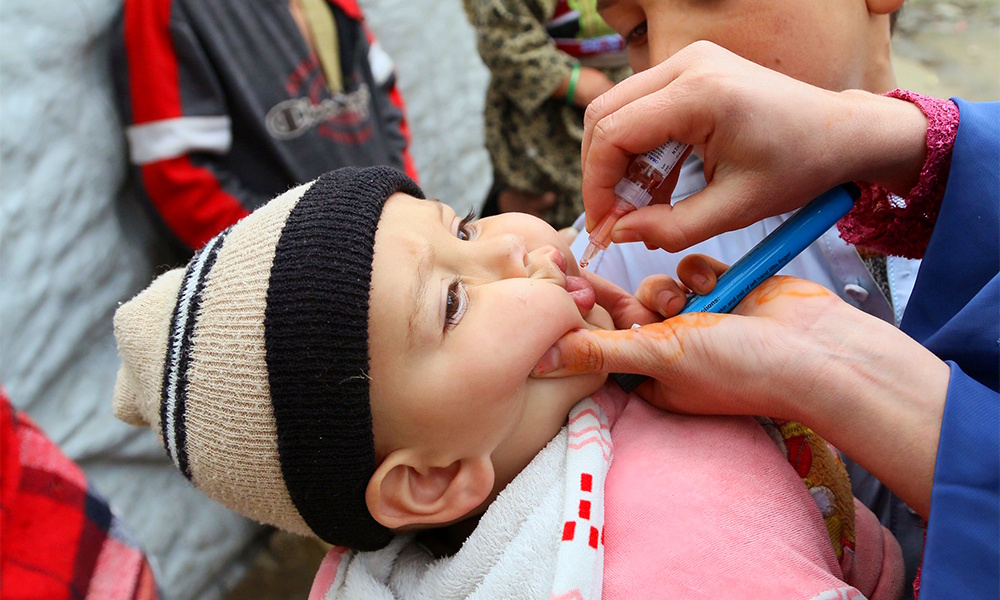
The World Health Organization (WHO) has confirmed four new cases of wild poliovirus in Afghanistan, raising the country’s total number of infections this year to 23 and underscoring the continued spread of the disease in one of the world’s last remaining polio-endemic countries. The latest cases represent a significant setback for global eradication efforts and highlight the persistent challenges facing health authorities in the region.
Geographic Spread of New Cases
According to WHO’s latest epidemiological update, the newly confirmed cases were identified across four distinct provinces, suggesting widespread transmission rather than a localized outbreak. The cases were detected in:
-
Lashkar Gah, the capital of Helmand province in southern Afghanistan
-
Dangam district in Kunar province, located in the eastern part of the country
-
Kamdesh district in Nuristan province, also in the east
-
Farah province, situated in the western region
The geographic diversity of these cases spanning from the southern Helmand River valley to the eastern border regions and westward to Farah indicates that the virus is circulating across multiple, non-contiguous areas of the country. The cases were reported during the current epidemiological week as health authorities continue surveillance activities across Afghanistan.
The Last Two Endemic Countries
Afghanistan and neighboring Pakistan remain the only two countries in the world where wild poliovirus type 1 (WPV1) has never been eradicated. The two nations share a porous border region where population movement, insecurity, and limited access to healthcare have historically hampered vaccination efforts. WHO officials say the latest cases underscore persistent transmission on both sides of the Afghanistan-Pakistan border despite repeated vaccination campaigns.
The border region, particularly the tribal areas straddling the two countries, has long been considered the final reservoir of the virus. Health workers face significant obstacles in reaching children in these areas, including security threats, community resistance, and logistical challenges posed by rugged terrain and inadequate infrastructure.
Environmental Surveillance Reveals Broader Circulation
WHO’s 2026 surveillance map also shows continued detection of wild poliovirus in environmental samples collected from several areas in Afghanistan and Pakistan. Environmental surveillance which involves testing sewage and wastewater for the presence of the virus indicates that the virus is still circulating even in locations where no human cases have yet been reported.
This finding is particularly concerning for health officials, as it suggests that the actual number of infections may be higher than the confirmed case count. For every confirmed case of paralytic polio, an estimated 200 to 1,000 additional children may be infected with the virus but show no symptoms, silently spreading the disease within their communities.
Barriers to Eradication
The United Nations health agency has repeatedly warned that multiple factors continue to hinder eradication efforts in Afghanistan:
Vaccination Coverage Gaps: Significant portions of the population remain unvaccinated or under-vaccinated, particularly in remote and insecure areas. These gaps create vulnerable pockets where the virus can persist and spread.
Insecurity and Conflict: Ongoing violence and political instability in various regions make it difficult for health workers to access certain communities. Security concerns often prevent vaccination teams from reaching children in conflict-affected areas.
Population Displacement: Large-scale displacement of families whether due to conflict, natural disasters, or economic hardship complicates immunization efforts. Displaced populations may miss routine vaccination schedules and are often difficult to track for follow-up doses.
Limited Access to Children: In some communities, cultural barriers, misinformation, and mistrust of vaccines prevent health workers from reaching children during door-to-door immunization drives. Some families refuse vaccination due to religious or political beliefs, while others are simply unaware of the importance of immunization.
Health experts emphasize that every unvaccinated child remains at risk of contracting the virus and contributing to its spread. The highly contagious nature of poliovirus means that a single infected child can transmit the disease to hundreds of others in an under-vaccinated community.
Understanding Polio
Polio is a highly infectious disease caused by the poliovirus, which primarily affects children under the age of five. The virus enters the body through the mouth, typically from contaminated water or food, and multiplies in the intestines. From there, it can invade the nervous system and cause paralysis.
Symptoms and Consequences: While most people infected with poliovirus show no symptoms, approximately one in four will experience flu-like symptoms such as sore throat, fever, fatigue, nausea, and headache. A smaller proportion about one in 200 will develop paralytic polio, which can lead to irreversible paralysis, typically in the legs. Among those paralyzed, 5 to 10 percent die when the virus affects the muscles used for breathing.
Prevention: There is no cure for polio, but the disease is entirely preventable through multiple doses of oral polio vaccine (OPV) and routine immunization. The oral vaccine is particularly effective because it can be administered easily by trained volunteers and provides intestinal immunity, which helps prevent the virus from spreading. Inactivated polio vaccine (IPV), administered by injection, is also used in some settings.
Ongoing Vaccination Efforts
WHO and UNICEF continue to support nationwide vaccination campaigns in Afghanistan, working closely with the country’s health ministry and local partners. These campaigns typically involve door-to-door immunization drives, in which health workers visit households to administer oral vaccine drops to children under five years of age.
However, humanitarian agencies have warned that restrictions affecting health workers and inconsistent access to some areas have complicated efforts to reach all children during these campaigns. In some regions, vaccination teams have been unable to operate for extended periods due to security concerns or administrative barriers.
The vaccination campaigns also face challenges related to community engagement and trust-building. In areas where vaccine hesitancy is high, health workers must invest significant time in educating families about the safety and efficacy of the vaccine before they can gain access to children.
Regional Comparison
Last year, Afghanistan recorded 21 confirmed polio cases, while Pakistan reported 31 infections. The increase in Afghanistan’s case count this year from 21 in 2025 to 23 in just the first part of 2026 has renewed concerns among global health organizations that eradication efforts could face further setbacks unless vaccination campaigns achieve broader and more consistent coverage.
Pakistan’s higher case count reflects the challenges that country also faces, including similar issues of insecurity, vaccine hesitancy, and population mobility. The two countries are often viewed as a single epidemiological block, as the virus knows no borders and can easily spread between them.
Global Implications
The persistence of polio in Afghanistan and Pakistan has significant implications for global health. The Global Polio Eradication Initiative (GPEI), a partnership led by national governments, WHO, Rotary International, the U.S. Centers for Disease Control and Prevention (CDC), UNICEF, and the Bill & Melinda Gates Foundation, has invested billions of dollars in efforts to rid the world of the disease.
When polio was eradicated from Nigeria in 2020, it left Afghanistan and Pakistan as the only remaining endemic countries. The goal of global eradication which would make polio the second human disease ever to be eliminated, after smallpox remains within reach but requires sustained commitment and resources.
Call to Action
WHO has urged Afghanistan’s health authorities and international partners to intensify immunization efforts, strengthen disease surveillance, and ensure that every eligible child receives the polio vaccine to stop transmission before the virus spreads further.
Support Dawat Media Center
If there were ever a time to join us, it is now. Every contribution, however big or small, powers our journalism and sustains our future. Support the Dawat Media Center from as little as $/€10 – it only takes a minute. If you can, please consider supporting us with a regular amount each month. Thank you
DNB Bank AC # 0530 2294668
Account for international payments: NO15 0530 2294 668
Vipps: #557320

Comments are closed.