


Military preparations, warnings to Gulf allies, mounting economic pressure, and stalled negotiations point toward a renewed American offensive. The November 3 elections may determine when Trump acts, but the signs suggest that Washington is preparing to resume the war.
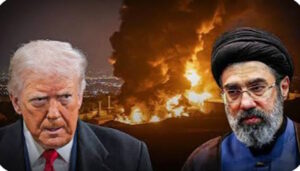
The United States is preparing for another round of military action against Iran, with the period immediately after the November 3 midterm elections emerging as the most likely window.
According to The Wall Street Journal, Washington has warned Gulf Arab countries to prepare for a possible short, intense military campaign after the elections. President Donald Trump is reportedly leaning toward a major attack targeting Iranian infrastructure and nuclear facilities. American forces are replenishing munitions, repositioning personnel, strengthening missile defenses in Israel, and preparing additional naval and Marine forces for deployment to the region. Israel is also preparing its own targets and operational plans.
These preparations suggest that the administration is getting ready to resume intensive combat. Trump has not publicly announced a final decision, but Washington appears determined to maintain the military option while giving negotiations one last opportunity.
The most likely outcome is another American attack if Iran refuses to accept Washington’s demands.
The Midterms May Determine the Timing
The timing is politically significant. Another major attack before November 3 could drive up fuel prices, unsettle financial markets, and hurt Republican candidates already facing dissatisfaction over the economy and the war.
Waiting until after the elections would give Trump greater freedom to act without allowing a new offensive to dominate the final days of the campaign.
A Democratic victory in one or both chambers of Congress would bring more investigations, stronger resistance to military funding, and renewed efforts to limit presidential war powers. Republican control would give Trump greater political room to maneuver. Neither outcome would automatically end the war.
The 2006 midterm elections offer a useful precedent. Republicans suffered a major defeat amid public opposition to the Iraq war, yet President George W. Bush did not immediately withdraw American forces. Instead, he ordered the military surge in 2007.
Trump could follow a similar course. He may conclude that the United States must finish the confrontation on favorable terms rather than accept a ceasefire that allows Iran to rebuild its military capabilities.
The period after November 3 would also give the administration time to complete its preparations, reinforce regional defenses, and position forces for a concentrated campaign.
The election may therefore determine the political timing of an attack rather than prevent one.
Military Preparations Point Toward a Renewed Offensive
The reported movements of American forces provide some of the clearest indications that another attack is under serious consideration.
Washington is reinforcing Israel’s missile defenses, replenishing weapons stocks, repositioning personnel, and preparing additional naval and Marine forces for the region. These preparations would support a new offensive while protecting American forces and regional allies from Iranian retaliation.
Tehran retains a significant missile arsenal and has prepared for another confrontation. Iranian leaders have threatened to target American military installations, energy facilities, and other strategic interests across the region. Iran’s regional partners could also become involved, expanding the conflict beyond the initial targets.
The Pentagon must therefore prepare for both sides of the operation: striking Iranian targets and defending American forces against retaliation.
Washington’s reported objective is a short, intense campaign designed to inflict further damage on Iran and force its leaders back to the negotiating table. The administration appears to be preparing to act quickly if diplomacy fails.
Sanctions Are Tightening the Pressure on Tehran
Military preparations are unfolding alongside an expanding American economic campaign.
Washington has tightened restrictions on Iranian oil exports and financial transactions while targeting banks, cryptocurrency networks, shipping companies, airlines, and foreign intermediaries accused of helping Tehran evade sanctions.
The objective is to reduce Iran’s revenue, restrict its access to international finance, and make it harder to obtain equipment and rebuild military infrastructure.
Pressure on foreign banks is particularly significant. International financial institutions depend heavily on access to American financial services and dollar transactions. Banks that risk losing those privileges may decide that Iranian business is not worth the consequences.
Washington has also targeted cryptocurrency platforms and financial networks accused of helping Iran move money outside conventional banking channels. Shipping sanctions aim to disrupt the networks transporting Iranian oil, while aviation restrictions make it harder for Iranian airlines to obtain aircraft, spare parts, and related services.
These measures have increased the cost of sanctions evasion and complicated Iran’s commercial relationships with foreign businesses.
From Washington’s perspective, the combination of military damage and economic pressure could create an opportunity to extract further concessions. If Iran’s financial resources remain constrained while its military reconstruction faces obstacles, Trump may believe another round of attacks could achieve what sanctions and negotiations have failed to deliver.
Iran has endured years of sanctions without abandoning its political system or strategic ambitions. Yet the administration appears increasingly willing to test whether concentrated military pressure can force Tehran to accept American terms.
The Nuclear Dispute Remains Unresolved
The fundamental disagreement between Washington and Tehran remains. The United States wants firm restrictions on Iran’s nuclear ambitions and assurances that Tehran cannot rebuild capabilities Washington considers a threat. Iran has resisted demands it regards as unacceptable.
The International Atomic Energy Agency has faced difficulties verifying the status of Iran’s nuclear material and facilities because inspectors have lacked the access needed for a full accounting following the strikes.
For the Trump administration, the unresolved nuclear question provides another reason to maintain pressure. Washington wants an agreement that prevents Iran from restoring its nuclear capabilities and limits its ability to threaten American forces and regional allies.
Trump has also expressed frustration with the ceasefire and threatened another round of military action, referring to the campaign as another phase of “Epic Fury.”
The administration is combining diplomatic outreach with preparations for renewed force. Vice President JD Vance’s reported efforts to establish contact with Iranian officials offer a channel for negotiations. The central issue is whether Tehran will make concessions acceptable to Washington before Trump decides that further talks are pointless.
An agreement could give Trump a diplomatic victory. Continued deadlock would leave the military option at the center of his strategy.
Why Trump Is Likely to Strike
Three considerations point toward renewed American attacks.
First, Washington believes Iran has been weakened by military operations and economic pressure. The administration may calculate that another concentrated offensive against military installations, infrastructure, and nuclear-related targets could further reduce Iran’s capabilities and force its leaders to negotiate.
Second, Trump may believe that time favors Tehran. Each month without a settlement gives Iran an opportunity to reorganize its defenses, restore parts of its missile capabilities, and prepare for another confrontation. Washington could decide that striking before Iran recovers would produce greater military gains.
Third, Trump has a political incentive to demonstrate that his strategy can deliver a decisive result. If Tehran refuses to accept American demands, he may prefer another show of military force to an agreement that leaves the central disputes unresolved.
A new campaign would consume additional munitions, expose American personnel to greater risks, and threaten regional stability. But Trump may judge those costs acceptable if he believes a concentrated offensive can force Iran into negotiations from a weaker position.
That appears to be the logic behind preparing for a short, powerful campaign. Washington wants to inflict enough damage to change Tehran’s calculations without committing American forces to an indefinite war.
Washington Is Moving Toward Another Attack
The reports of military preparations, warnings to Gulf allies, and plans for a possible post-election campaign point toward a narrowing window for diplomacy.
American forces are strengthening regional defenses, replenishing munitions, repositioning personnel, and preparing additional naval forces. Israel is preparing for further strikes. At the same time, Washington continues to tighten economic pressure and pursue diplomatic contacts with Tehran.
The administration is preparing for war while giving negotiations a final opportunity.
Once the midterms are over, Trump will face fewer immediate electoral reasons to delay a decision. If talks remain deadlocked and his advisers conclude that Iran is rebuilding its military capabilities, the incentive to strike will grow.
The most likely outcome is that the United States will attack Iran again after the November 3 midterms unless a diplomatic breakthrough changes Trump’s calculation. The initial offensive will likely focus on selected military installations, infrastructure, and nuclear-related targets, with the aim of weakening Iran further and forcing its leadership to accept American demands.
The decisive question is whether Tehran will make sufficient concessions to prevent another American offensive. If it does not, Trump appears prepared to resume the campaign.
Washington is positioning its forces, tightening its economic pressure, and preparing its regional partners for what could come next. The period immediately after the elections is emerging as the most likely time for the next attack.
Diversion Under Fire: Kamdesh, Airstrikes, and the Externalization of Pakistan’s Internal Crisis

د دعوت رسنیز مرکز ملاتړ وکړئ
Support Dawat Media Center
If there were ever a time to join us, it is now. Every contribution, however big or small, powers our journalism and sustains our future. Support the Dawat Media Center from as little as $/€10 – it only takes a minute. If you can, please consider supporting us with a regular amount each month. Thank you
DNB Bank AC # 0530 2294668
Account for international payments: NO15 0530 2294 668
Vipps: #557320

Comments are closed.