
Afghanistan Marks 46th Anniversary of Soviet Invasion Amid Ongoing Crises

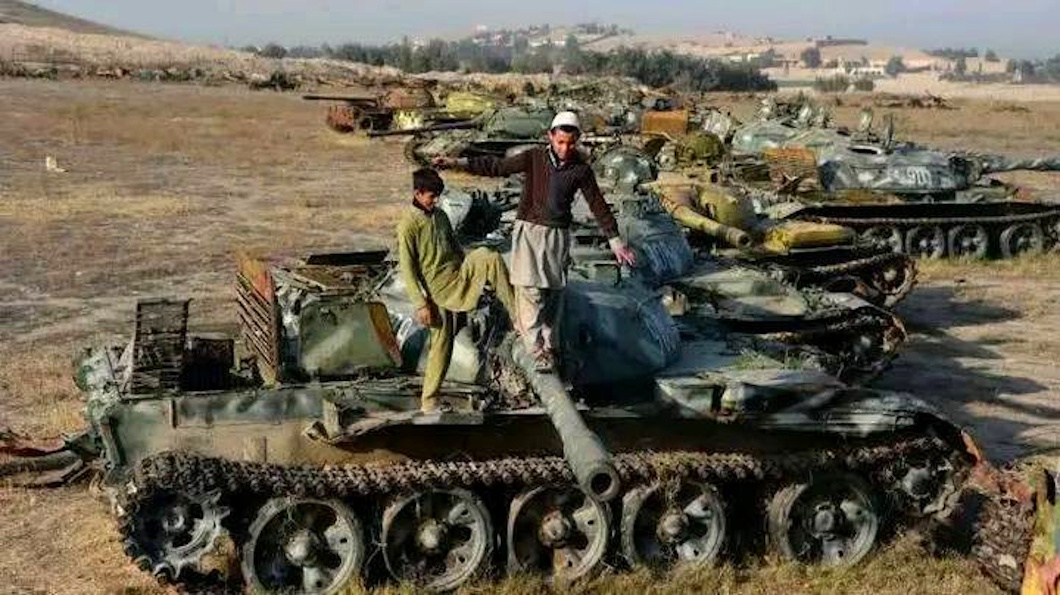
KABUL, Afghanistan — The nation solemnly observed the 46th anniversary of the Soviet Union’s military invasion on Saturday, a pivotal event that continues to cast a long shadow over a country now grappling with profound humanitarian, economic, and social challenges.
On December 27, 1979, the Soviet 40th Army crossed into Afghanistan, initiating a nearly decade-long occupation. The invasion triggered immediate and fierce resistance from mujahideen groups, transforming the nation into a bloody frontline of the Cold War. The conflict was characterized by intense urban and rural warfare, widespread destruction, and significant civilian casualties, forcing millions to flee as refugees.
A Legacy of Conflict and “A Grave Mistake”
The anniversary was marked officially by the ruling Taliban, who organized a ceremony in Kabul. In a statement, the administration, which refers to the country as the Islamic Emirate of Afghanistan (IEA), framed the day as a testament to national resilience. “This historic event demonstrates that no arrogant power should ever doubt the faith, honour and unwavering determination of Afghanistan’s Muslim and valiant people,” the IEA stated.
Foreign Minister Amir Khan Muttaqi, addressing attendees, echoed this sentiment. He described the Soviet incursion as a “grave mistake” and asserted that the defeat of the Soviets—alongside subsequent foreign powers, a clear reference to US-led forces—should serve as a “warning to outside powers.” Muttaqi claimed that Afghans have consistently united against external pressure, including in response to recent regional tensions.
From Withdrawal to Deepening Crisis
The Soviet withdrawal in February 1989 did not bring peace. Instead, Afghanistan plunged into a brutal civil war among former mujahideen factions, further dismantling state institutions and exacerbating humanitarian suffering. This cycle of conflict set the stage for the Taliban’s first rise to power in the 1990s and the subsequent US-led intervention in 2001.
Today, more than four decades after the initial invasion, Afghanistan faces one of the world’s most severe humanitarian emergencies. United Nations agencies report that nearly 90% of the population lives in poverty, with approximately 75% unemployed. Millions are dependent on international aid to survive.
Compounding the Crisis: Restrictions on Women
The economic catastrophe has been severely compounded by the current administration’s policies, particularly the systematic dismantling of women’s rights. Severe restrictions on women’s education and employment have not only deprived a generation of dignity and opportunity but have also crippled household incomes and the nation’s economic potential. Aid organizations consistently warn that without inclusive policies and a functional, growing economy, Afghanistan’s poverty and instability will only deepen.
A Call for Vigilance
In its commemorative statement, the IEA used the anniversary to call for continued national vigilance. It urged Afghans “to remain prepared to safeguard their land’s freedom and independence” and to thwart any “malicious plots” against the country’s Islamic system and values.
As Afghanistan remembers the trauma of the Soviet invasion, the past and present converge. The day underscores a history of fierce resistance to foreign occupation while highlighting a contemporary reality where the population endures a desperate struggle against poverty, isolation, and internal repression. The legacy of 1979 remains a powerful national narrative, even as the country confronts an uncertain and challenging future.
Our Pashto-Dari Website

Support Dawat Media Center
If there were ever a time to join us, it is now. Every contribution, however big or small, powers our journalism and sustains our future. Support the Dawat Media Center from as little as $/€10 – it only takes a minute. If you can, please consider supporting us with a regular amount each month. Thank you
DNB Bank AC # 0530 2294668
Account for international payments: NO15 0530 2294 668
Vipps: #557320

Comments are closed.