
UN Allocated $14M in 2025 to Curb Drought Impacts in Afghanistan, Supporting Hundreds of Thousands

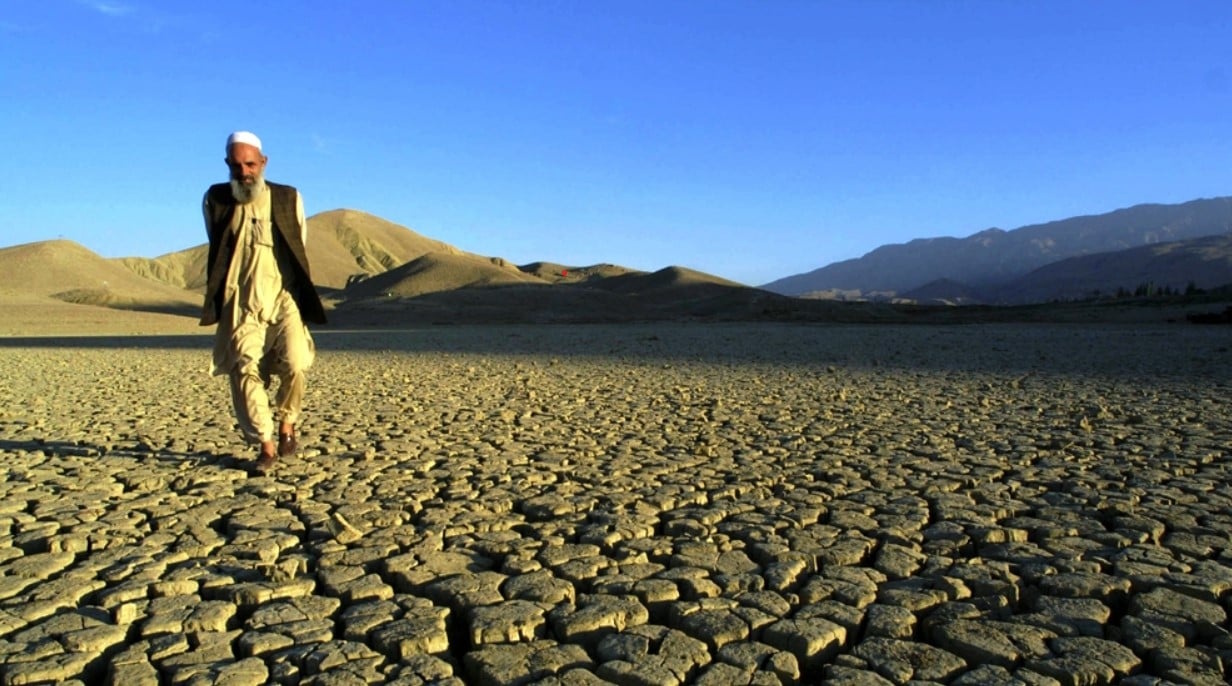
Kabul, January 26 – The United Nations allocated $14 million last year to mitigate a severe drought in Afghanistan, a country ranked among the world’s most vulnerable to climate change, according to a recent UN report.
In its latest humanitarian update released Monday, the UN Office for the Coordination of Humanitarian Affairs (OCHA) detailed that the funding, directed throughout 2025, aimed to support approximately 780,000 people grappling with the compounding effects of consecutive dry seasons and insufficient rainfall.
The assistance was channeled through a multi-sector response, including multi-purpose cash grants, clean water access, health services, and emergency shelter. OCHA specified that the aid was concentrated in four provinces acutely affected by persistent drought: Badakhshan, Faryab, Sar-e Pol, and Takhar.
Flexible Cash Aid Provides Critical Lifeline
A significant portion of the funding provided flexible cash assistance, empowering vulnerable families to address their most pressing needs directly. The report indicated that over 120,000 individuals utilized these cash transfers to purchase essential food, medicine, school supplies for children, and basic agricultural inputs—a critical intervention in a nation where 80% of rural households depend on agriculture for their livelihoods.
Climate Crisis Amplifies Humanitarian Needs
The report underscores the severe climate challenges facing Afghanistan, which is experiencing increasingly frequent and intense droughts, floods, and extreme weather patterns. These events devastate crops, erode livelihoods, and exacerbate existing vulnerabilities amidst a protracted economic crisis.
“The allocation was a targeted effort to prevent a full-blown catastrophe for families on the frontline of the climate crisis,” a humanitarian official familiar with the response noted. “Cash assistance not only meets immediate needs but also provides a degree of dignity and choice to those affected.”
Ongoing Challenges and Funding Gaps
While the $14 million intervention provided crucial relief, OCHA and other aid agencies consistently warn that humanitarian needs in Afghanistan far outstrip available resources. Millions remain in need of food assistance and livelihood support, with climate-related disasters continuing to threaten stability and recovery.
The UN’s report serves as a stark reminder of the long-term support required to build climate resilience in Afghanistan, even as immediate humanitarian responses remain critically underfunded.
Our Pashto-Dari Website

Support Dawat Media Center
If there were ever a time to join us, it is now. Every contribution, however big or small, powers our journalism and sustains our future. Support the Dawat Media Center from as little as $/€10 – it only takes a minute. If you can, please consider supporting us with a regular amount each month. Thank you
DNB Bank AC # 0530 2294668
Account for international payments: NO15 0530 2294 668
Vipps: #557320

Comments are closed.