
Five EU States Push for “Return Hubs” Outside Europe to Process Rejected Asylum Seekers

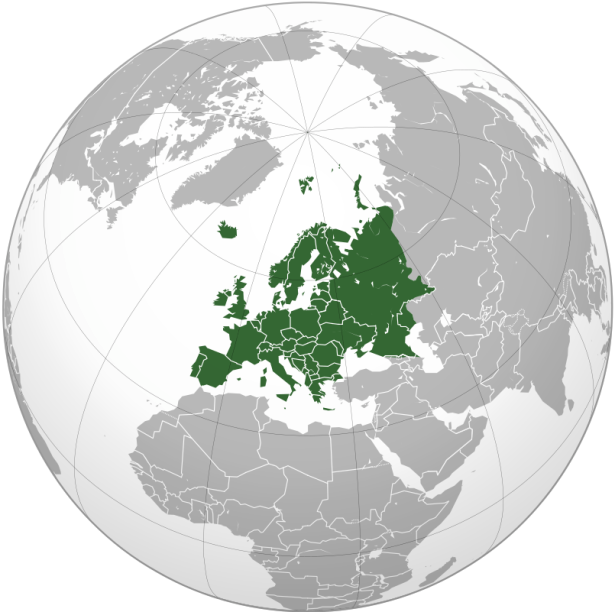
In a coordinated move to overhaul the bloc’s migration enforcement, five European Union member states Germany, Austria, Greece, Denmark, and the Netherlands have agreed to pursue the creation of so-called “return hubs” in non-EU countries. These facilities would temporarily house migrants whose asylum applications have been rejected and who cannot be immediately deported to their countries of origin.
The initiative, spearheaded by the self-styled “Group of Five,” was the focus of a high-level meeting in Copenhagen. The ministers present announced their ambition to finalize a bilateral agreement with a partner country by the end of 2026, with the first transfers of migrants potentially taking place as early as 2027.
A “New Chance” or a Legal Quagmire?
Danish Immigration and Integration Minister Morten Bødskov framed the proposal in optimistic terms, describing the proposed hubs as offering migrants who have no legal right to stay in Europe “a new chance” in a partner nation. However, critics argue that the plan effectively outsources asylum responsibilities to countries with fewer human rights protections, raising serious legal and ethical red flags.
While the five governments have not publicly identified the prospective host country, European media speculation has centered on Uganda and Rwanda both of which have previously been involved in controversial migration deals with European nations. Officials involved in the negotiations have declined to confirm or deny these reports, citing ongoing diplomatic discussions.
Greek Migration and Asylum Minister Thanos Plevris stated that talks with potential partners are “progressing” and expressed optimism about reaching a formal agreement soon. The group is scheduled to convene again later this month in Munich to refine the operational framework and legal parameters of the plan.
How the Hubs Would Work
Under the proposed model, return hubs would function as extraterritorial processing centers located outside EU jurisdiction. Migrants subject to final return decisions but whose removal to their home countries is not feasible in the short term would be transferred to these facilities. The terms of detention, movement, and support would be defined in bilateral agreements between the EU member states and the host nation, with each case managed on an individual basis.
The initiative aligns with new EU return rules approved by the European Parliament in June, which permit member states under third-country agreements to transfer certain migrants to such hubs. The legislation includes caveats requiring compliance with fundamental rights, international humanitarian law, and the principle of non-refoulement, which prohibits returning individuals to places where they face persecution or serious harm.
Human Rights Backlash and Operational Hurdles
Despite the political momentum, the proposal has drawn fierce condemnation from human rights organizations. Amnesty International has warned that return hubs could become “black holes” of accountability, exposing migrants to arbitrary detention, inadequate living conditions, and even forced onward transfers to unsafe countries. The Council of Europe has also voiced apprehension, stressing that any externalization of asylum procedures must not circumvent European and international legal obligations.
Moreover, the plan faces significant practical obstacles. Previous EU efforts to externalize migration management have been plagued by legal and logistical failures. Italy’s recently established centers in Albania, for instance, have been hobbled by court rulings and have processed only a fraction of the migrants originally anticipated. Similarly, the United Kingdom’s much-publicized scheme to deport asylum seekers to Rwanda was abandoned after sustained legal challenges and political opposition.
Awaiting International Buy-In
The Danish government has reiterated its commitment to having the first transfers operational by the end of 2027. The five countries have stressed that the return hubs would be developed in cooperation with international bodies such as the International Organization for Migration (IOM) and the UN Refugee Agency (UNHCR). However, UNHCR has stated that it has not yet been formally consulted on the specifics of the proposal and therefore cannot evaluate its compliance with refugee protection standards.
A Test for EU Solidarity and Rule of Law
The return hubs initiative represents a critical test of the EU’s ability to balance enforcement-driven migration policies with its foundational commitments to human rights and the rule of law. While proponents argue that the hubs offer a pragmatic solution to persistent return bottlenecks, opponents contend that they risk normalizing a two-tier system of protection that undermines the very principles of asylum.
As the Group of Five moves toward concrete negotiations, the coming months will be pivotal in determining whether this ambitious plan becomes a new template for European migration policy or another cautionary tale of overreach and unintended consequences.
Our Pashto-Dari Website

Support Dawat Media Center
If there were ever a time to join us, it is now. Every contribution, however big or small, powers our journalism and sustains our future. Support the Dawat Media Center from as little as $/€10 – it only takes a minute. If you can, please consider supporting us with a regular amount each month. Thank you
DNB Bank AC # 0530 2294668
Account for international payments: NO15 0530 2294 668
Vipps: #557320

Comments are closed.