
Over 492,000 Afghans Forcibly Deported from Iran in 2026: UNHCR

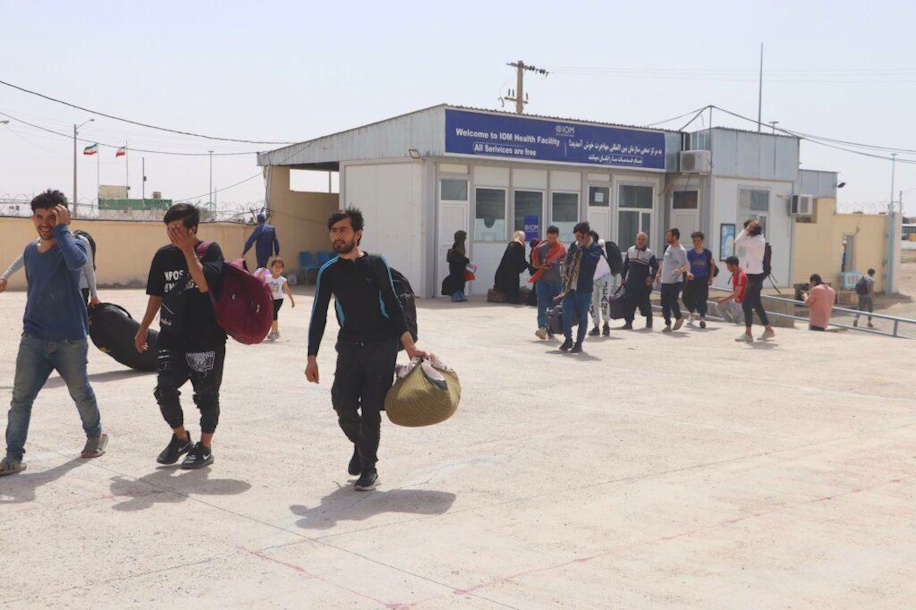
More than 581,000 Afghan refugees have returned to Afghanistan from Iran since the beginning of this year through October 3, including over 492,000 who were forcibly deported, according to the United Nations High Commissioner for Refugees (UNHCR).
In its latest report, published on October 8, the agency stated that a total of 581,600 Afghans returned from Iran between January 1 and October 3, 2026. Of these, 492,300 — or 85 percent — were forcibly deported, underscoring the increasingly coercive nature of returns from Iran.
According to the report, 475,400 of the returnees arrived in Afghanistan after February 28 of this year, including 398,100 who were forcibly deported. The concentration of returns after late February suggests a significant escalation in deportations during the spring and summer months.
The agency added that more than 1.9 million Afghans returned to or were deported from Iran in 2025, including approximately 1,261,600 who were forcibly removed. Taken together, the 2025 and 2026 figures point to a sustained and large-scale displacement crisis, with more than 2.4 million Afghans having left Iran for Afghanistan over the past two years.
The UNHCR said the rising number of returnees had placed increased pressure on basic services, housing, and livelihood opportunities in Afghanistan, while creating additional challenges for host communities. Many returnees arrive with few resources and limited prospects for employment, further straining an already fragile humanitarian situation.
The report noted that among Afghans who returned from Iran since the beginning of 2025, 39 percent were women and children, while 27 percent were children. These figures highlight the particular vulnerability of women and minors in the return process, many of whom face heightened protection risks and limited access to essential services.
According to the agency’s findings, 67 percent of the heads of returning households had no formal education, while 50 percent lacked job skills. These characteristics significantly reduce the likelihood of securing stable employment and increase dependency on humanitarian assistance.
The UNHCR also reported that, since the beginning of this year, 52 percent of returnees had entered Afghanistan through the Islam Qala border crossing in Herat province, while the remaining 48 percent had crossed through Zaranj in Nimroz province. The two crossings have become the primary points of entry for the large-scale returns.
Herat accounted for 21 percent of returnees’ destinations, followed by Kabul with 10 percent, Farah with eight percent, Kunduz with seven percent, and Nimroz with five percent, the agency said. The distribution of returnees across provinces reflects both geographic proximity to border crossings and the availability of family, community, and humanitarian support networks.
The agency said it had expanded its assistance activities at the Islam Qala and Zaranj border crossings to address the needs of returning refugees. These efforts include the provision of emergency services, protection monitoring, and onward transportation support.
According to the report, more than 32,670 returning households had received assistance from the agency this year. Transportation services had also been provided to 874 people, while 2,345 households had received essential relief kits. These figures, while significant, represent only a fraction of the total number of returnees, highlighting a substantial gap between needs and available assistance.
Meanwhile, the agency said 205,658 returnees had benefited from hot meals distributed during the same period. The provision of hot meals has been a critical lifeline for many families arriving with no resources after long and often difficult journeys.
The report further stated that since February 28 this year, a total of 364,900 Afghan refugees in Iran had received assistance from the agency. Of these, 9,230 people had received multipurpose cash assistance, which allows families to meet their most urgent needs with dignity and flexibility.
The UNHCR stressed that, given the large-scale return of refugees and growing humanitarian needs, flexible and sustained support from the international community was essential to address the situation of returnees in Afghanistan. Without such support, the agency warned, the already precarious conditions faced by returnees and their host communities are likely to deteriorate further.
The scale of forced deportations from Iran, combined with the voluntary return of hundreds of thousands of Afghans, represents one of the largest population movements in the region in recent years. Humanitarian agencies continue to call for expanded access to basic services, livelihood opportunities, and protection for returnees, many of whom are returning to areas affected by conflict, drought, and economic hardship.
Our Pashto-Dari Website

Support Dawat Media Center
If there were ever a time to join us, it is now. Every contribution, however big or small, powers our journalism and sustains our future. Support the Dawat Media Center from as little as $/€10 – it only takes a minute. If you can, please consider supporting us with a regular amount each month. Thank you
DNB Bank AC # 0530 2294668
Account for international payments: NO15 0530 2294 668
Vipps: #557320

Comments are closed.