
US Judge Temporarily Blocks Deportation of More Than 150 Afghan Migrants

Federal Court Halts Removal Operation to Afghanistan and Pakistan
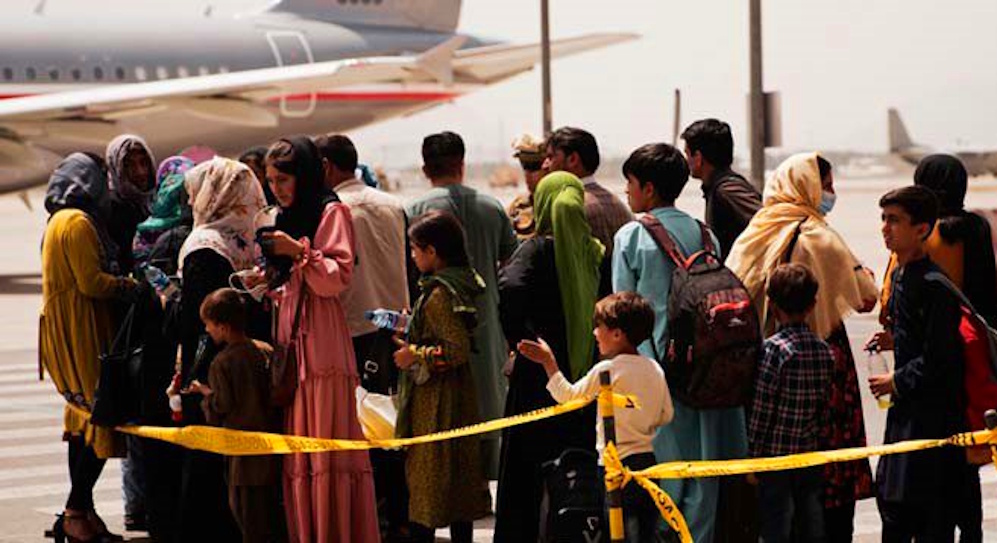
A federal judge in New York has temporarily blocked the Trump administration from deporting Afghan nationals to Afghanistan or Pakistan, delaying a planned removal operation involving more than 150 people. The ruling represents a significant legal intervention in the administration’s immigration enforcement efforts and raises broader questions about the treatment of vulnerable populations who aided US military operations.
Judge Caproni Issues Temporary Order
ABC News reported that US District Judge Valerie Caproni issued the temporary order on Tuesday, November 3, after government lawyers told the court that no chartered or commercial flights to deport Afghans to either country were planned or confirmed through the end of the week. The order remains in effect until Saturday, November 7, providing a narrow window of relief for those facing removal.
The judge’s decision came after careful consideration of the government’s representations regarding flight schedules, highlighting the role of federal courts in overseeing executive branch immigration actions. The temporary nature of the order means the legal battle over the deportations is likely to continue in the coming days and weeks.
Complex Deportation Logistics
The deportations had reportedly been planned through Pakistan because the United States has no formal diplomatic relations with the Taliban authorities in Afghanistan. Under the proposed arrangement, Afghan detainees would first be flown from the United States to Pakistan and then transported overland to Afghanistan. This indirect route underscores the diplomatic and logistical challenges facing the administration as it seeks to remove Afghan nationals from the country.
The plan raised concerns among lawyers and refugee advocacy groups, who warned that some of those facing removal could face persecution or retaliation in Afghanistan, particularly people who had worked with US forces or whose relatives had supported the American military mission. These concerns are particularly acute given the Taliban’s return to power and the heightened risks facing those associated with Western military operations.
Detainees Held in Louisiana Facilities
According to ABC News, some Afghan detainees were being held in immigration detention facilities in Louisiana. A US Justice Department court filing had indicated that dozens could be deported, while earlier reports put the expected number at more than 150. The discrepancy in numbers reflects the evolving nature of the planned operation and the uncertainty surrounding the exact scope of the deportations.
The detention of Afghan nationals in facilities far from their communities has raised additional concerns among advocates, who argue that such arrangements make it more difficult for detainees to access legal representation and family support.
Advocacy Groups Welcome Temporary Reprieve
The advocacy group AfghanEvac welcomed the court’s decision but described it as a temporary reprieve rather than a lasting solution. Its president, Shawn VanDiver, said veterans, advocates, lawmakers, and members of the public had helped challenge the planned flights. The coalition of opposition reflects broad concern about the treatment of Afghan allies and the moral obligations owed to those who assisted US forces.
Congressional and International Pressure
The ruling came after 66 members of Congress urged the administration to stop the deportations, demonstrating significant legislative concern about the planned removals. Afghan authorities had also expressed concern over reports of the planned transfers and called for the rights and dignity of Afghan nationals to be respected. The international dimension of the case adds complexity to an already fraught situation.
Broader Implications
The temporary block raises important questions about the administration’s immigration enforcement priorities and the legal protections available to Afghan nationals facing removal. The case highlights the tension between executive authority over immigration matters and judicial oversight of individual rights, particularly for populations that may face serious harm upon return to their home countries.
The coming days will be critical as the court’s temporary order approaches its expiration on November 7. Lawyers for the detainees are expected to seek further relief, while the administration may continue to pursue its deportation plans through alternative legal avenues. The outcome of this case could set important precedents for how the United States treats Afghan allies and other vulnerable populations in immigration proceedings.
Our Pashto-Dari Website

Support Dawat Media Center
If there were ever a time to join us, it is now. Every contribution, however big or small, powers our journalism and sustains our future. Support the Dawat Media Center from as little as $/€10 – it only takes a minute. If you can, please consider supporting us with a regular amount each month. Thank you
DNB Bank AC # 0530 2294668
Account for international payments: NO15 0530 2294 668
Vipps: #557320

Comments are closed.