

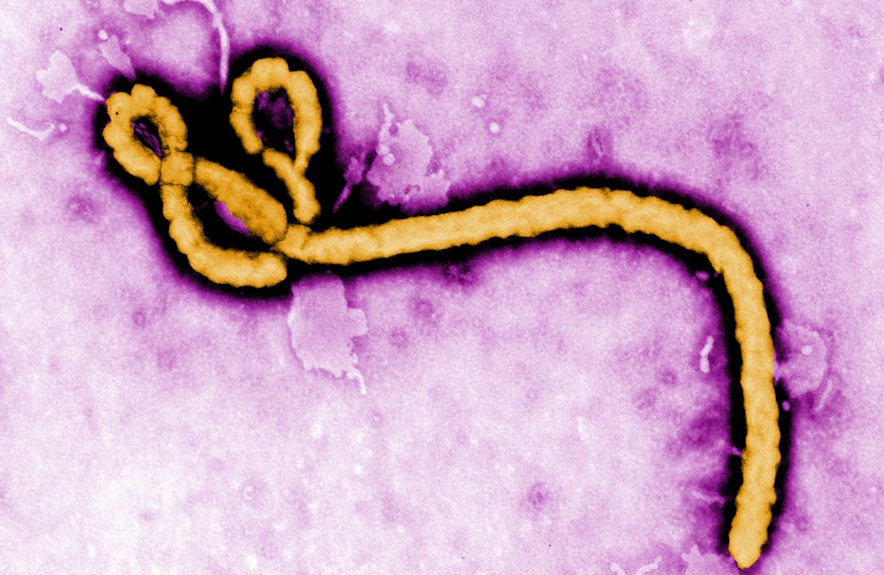
An Ebola outbreak that has already claimed at least 131 lives in the Democratic Republic of Congo (DRC) may be spreading more rapidly and widely than initially feared, according to a senior World Health Organization (WHO) official.
Dr. Anne Ancia, a WHO representative working in the region, told the BBC that ongoing investigations are revealing a broader and more complex outbreak than early reports suggested.
“The more we investigate this outbreak, the more we realise that it has already spread, at least to some extent, across borders and into other provinces,” Dr. Ancia said in an interview with BBC World Service’s Newsday.
Health officials reported that as of Tuesday, more than 513 suspected Ebola cases had been identified across the DRC. Meanwhile, neighbouring Uganda has confirmed one Ebola-related death, raising fears that the outbreak may already be spilling beyond Congolese borders.
However, experts believe the official figures may significantly underestimate the true scale of the crisis. A modelling study released Monday by the London-based MRC Centre for Global Infectious Disease Analysis suggested there has been “substantial under-detection” of cases and warned that the real number of infections could already exceed 1,000.
WHO Director-General Tedros Adhanom Ghebreyesus, who declared the outbreak a global health emergency last week, said he was “deeply concerned about the scale and speed of the epidemic.”
There are growing concerns that the virus may have been circulating undetected for several weeks before it was officially identified on April 24, allowing it to spread silently through communities.
Difficult Conditions Fueling the Spread
The outbreak is centred in Ituri province, a volatile region in northeastern DRC plagued by armed conflict, population displacement, and limited healthcare infrastructure. Dr. Ancia described it as “a very insecure area with significant population movement,” making efforts to trace infections and isolate cases extremely difficult.
The disease has also spread to South Kivu province, a region already burdened by years of humanitarian crisis and chronic instability.
Adding to international concern, a confirmed case has emerged in Goma, eastern DRC’s largest city, home to approximately 850,000 people. Goma’s strategic location near the Rwandan border and its dense population make it particularly vulnerable to rapid transmission.
Security challenges across eastern DRC have forced thousands of people to move frequently between towns, provinces, and neighbouring countries, increasing the likelihood of cross-border infections.
Regional Precautions Intensify
Several African nations are strengthening border screening measures and preparing emergency health facilities in response to the threat.
Neighbouring Rwanda has temporarily closed parts of its border with the DRC to reduce the risk of imported cases.
An American citizen, believed to be missionary physician Dr. Peter Stafford, is being evacuated from the DRC after reportedly developing Ebola-like symptoms over the weekend.
Germany’s health ministry confirmed that a U.S. national is being transported there for specialist treatment, while the U.S. Centers for Disease Control and Prevention (CDC) said it is working to evacuate at least six other Americans who may have been exposed.
No Approved Vaccine for Current Strain
Unlike previous Ebola outbreaks caused by the Zaire strain which now has an approved vaccine the current outbreak is being driven by the much rarer Bundibugyo strain.
This strain has caused only two known outbreaks in history and has killed roughly one-third of those infected. Currently, no licensed vaccine exists for it, though the WHO is urgently evaluating whether experimental drugs or vaccines developed for related Ebola strains could provide protection.
Remembering Ebola’s Deadliest Outbreak
The current emergency has revived memories of the devastating West African Ebola epidemic between 2014 and 2016, the largest outbreak since the virus was first discovered in 1976.
That outbreak infected more than 28,600 people and killed 11,325 across Guinea, Sierra Leone, and Liberia, while isolated cases also appeared in countries including the United States, the United Kingdom, and Italy.
Public health experts warn that unless surveillance improves rapidly and access to affected communities is secured, the DRC outbreak could become another major regional health crisis.
Our Pashto-Dari Website

Support Dawat Media Center
If there were ever a time to join us, it is now. Every contribution, however big or small, powers our journalism and sustains our future. Support the Dawat Media Center from as little as $/€10 – it only takes a minute. If you can, please consider supporting us with a regular amount each month. Thank you
DNB Bank AC # 0530 2294668
Account for international payments: NO15 0530 2294 668
Vipps: #557320

Comments are closed.