
US, Iran Negotiation Teams Could Return to Pakistan for High-Level Talks This Week: Sources

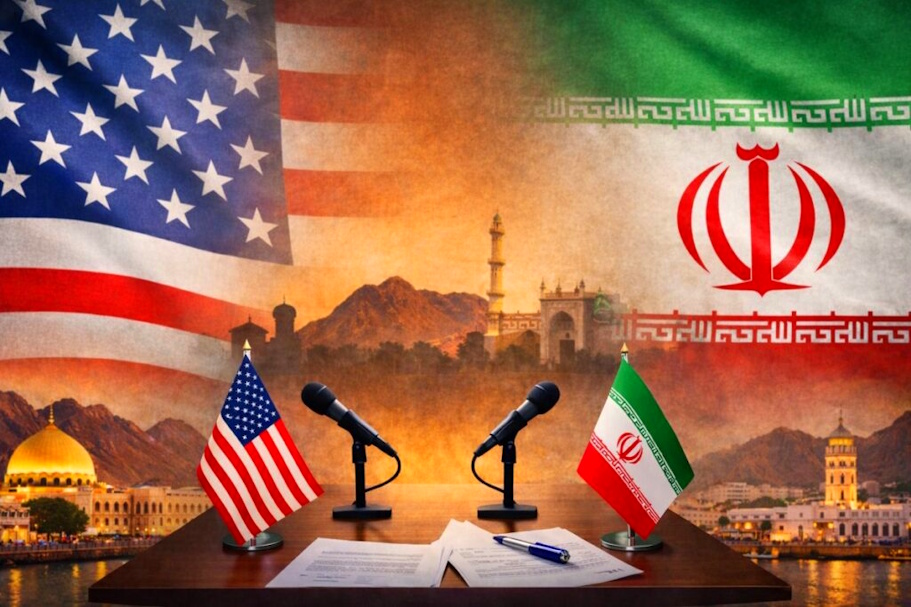
ISLAMABAD/DUBAI – Negotiating teams from the United States and Iran are likely to return to Pakistan later this week to resume high-stakes discussions aimed at de-escalating tensions in the Gulf, according to five sources familiar with the matter. The potential second round comes just days after the first direct peace talks between the two countries in over a decade ended without a breakthrough.
While no firm date has been confirmed, a senior Iranian source told Reuters that delegations are keeping Friday through Sunday open for a possible return to Islamabad. A source directly involved in the talks added that both countries could return as early as the end of this week, though scheduling remains fluid.
“We have reached out to Iran and received a positive response that they will be open to a second round of talks,” a senior Pakistani government official said, speaking on condition of anonymity. Two Pakistani sources with knowledge of the discussions said Islamabad is actively communicating with both Washington and Tehran about the timing, with the weekend being the most likely window.
An official at the Iranian embassy in Islamabad struck a cautious note: “The coming rounds of talks could take place later this week or early next week. But nothing is finalized as of now.”
The proposed resumption follows a landmark but inconclusive first meeting last weekend in Pakistan’s capital. That session, held just four days after a separate ceasefire announcement, marked the first direct encounter between U.S. and Iranian officials in more than a decade and the most senior engagement since Iran’s 1979 Islamic Revolution. Despite the historic nature of the talks, no breakthrough was achieved.
Key issues on the table
U.S. Vice President JD Vance and Iranian Parliamentary Speaker Mohammad Baqer Qalibaf led their respective delegations in the previous round. The negotiations are focused on a high-stakes bundle of issues, including:
-
The Strait of Hormuz – A vital chokepoint for global energy supplies (approximately 20% of oil traded worldwide passes through it). Iran has effectively restricted or threatened transit through the strait in recent months, while the U.S. has vowed to reopen it to international shipping.
-
Iran’s nuclear program – U.S. officials are seeking verifiable limits on uranium enrichment and inspections, while Tehran has insisted on its right to peaceful nuclear energy.
-
International sanctions – Tehran is pressing for significant relief from U.S. and multilateral economic sanctions, which have crippled Iran’s economy.
“Final and best offer”
Speaking to reporters after the first round of talks ended, Vice President Vance offered a stark summary of the U.S. position: “We leave here with a very simple proposal, a method of understanding that is our final and best offer. We’ll see if the Iranians accept it.”
Vance did not elaborate on the specifics of the proposal, but analysts suggest it may involve a phased agreement: limited sanctions relief in exchange for verifiable curbs on nuclear activity and guaranteed freedom of navigation in the Strait of Hormuz.
Pakistan’s mediating role
Pakistan, which maintains unique diplomatic channels with both Washington and Tehran, has positioned itself as a discreet but crucial mediator. A senior Pakistani official said Islamabad had shared a formal proposal with both sides to return delegates to the table. “We have reached out to Iran, and we got a positive response,” the official reiterated.
However, official responses from key Pakistani institutions remain pending. The country’s foreign ministry, military, and prime minister’s office did not respond to requests for comment. The White House also did not immediately respond.
Cautious optimism
While the first round failed to produce a deal, the mere fact that both sides are considering a second meeting — and so soon has been interpreted by some regional analysts as a sign of guarded progress. The willingness to return to Islamabad, a neutral venue, suggests neither side wishes to walk away from the table entirely.
Still, significant obstacles remain. Iran has repeatedly demanded a full lifting of sanctions as a precondition for any nuclear restrictions, while the U.S. has insisted on rigorous inspection regimes and a halt to Tehran’s perceived military adventurism in Gulf waters.
For now, all eyes are on Islamabad’s diplomatic calendar and whether Friday through Sunday will indeed see Vance and Qalibaf seated across from each other once again.
Note on sources: All sensitive information regarding the timing and nature of potential talks was provided by Pakistani and Iranian officials, as well as a source involved in the negotiations, all of whom spoke on condition of anonymity due to the diplomatic sensitivity of the discussions.
Our Pashto-Dari Website

Support Dawat Media Center
If there were ever a time to join us, it is now. Every contribution, however big or small, powers our journalism and sustains our future. Support the Dawat Media Center from as little as $/€10 – it only takes a minute. If you can, please consider supporting us with a regular amount each month. Thank you
DNB Bank AC # 0530 2294668
Account for international payments: NO15 0530 2294 668
Vipps: #557320

Comments are closed.