
Venezuela Open to Talks with U.S., Maduro Says, Amid Tensions Over Unconfirmed Military Strike

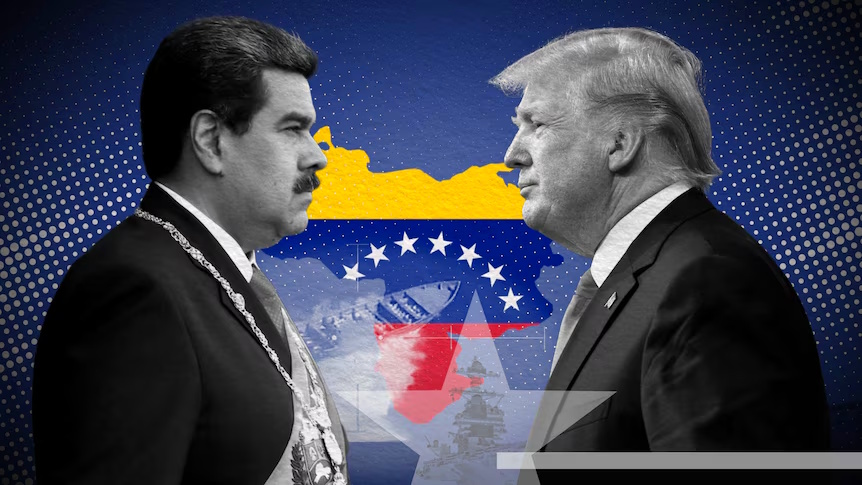
CARACAS—Venezuelan President Nicolás Maduro stated he is open to dialogue with the United States on key issues including drug trafficking, oil, and migration, even as he stopped short of confirming a recent U.S. military action on Venezuelan soil that was announced by Washington.
“Wherever they want and whenever they want,” Maduro said of the prospect of talks during an interview on state television, signaling a potential diplomatic opening amid years of heightened hostility and comprehensive U.S. sanctions.
His comments come against the backdrop of an alleged U.S. land attack earlier this week. On December 29, U.S. President Donald Trump stated that American forces had “hit and destroyed” a docking facility in Venezuela used by alleged drug-trafficking boats. If verified, the operation would mark the first known U.S. land strike within Venezuela as part of Washington’s escalating military campaign against drug trafficking in Latin America.
When pressed to confirm or deny the incident, Maduro was evasive. “This could be something we talk about in a few days,” he said, leaving the event shrouded in ambiguity.
President Trump provided scant details, refusing to specify whether the operation was conducted by the U.S. military or the Central Intelligence Agency, or to pinpoint its exact location beyond noting it was “along the shore.” For weeks, Trump has publicly threatened imminent ground strikes against drug cartels in the region, asserting they would begin “soon.” This alleged strike appears to be the first materialization of that threat.
The Trump administration has significantly intensified maritime interdiction operations in recent months. Since September, U.S. forces have carried out numerous strikes on boats in both the Caribbean Sea and the eastern Pacific Ocean, targeting vessels Washington alleges are used for drug smuggling.
However, the administration has not publicly presented evidence linking the targeted boats to narcotics trafficking. This lack of transparency has sparked debate over the legality of the operations under international law. Legal experts and human rights organizations argue that such strikes, often executed without judicial process or clear attribution, likely constitute extrajudicial killings—a charge U.S. officials deny.
The situation creates a complex diplomatic landscape: while Maduro extends an offer for comprehensive talks, his government is simultaneously challenging the legitimacy and legality of U.S. military actions on or near Venezuelan territory. The proposed dialogue would navigate deeply contentious issues, including Venezuela’s crumbling oil industry, a migration crisis that has sent millions fleeing, and allegations of state-condoned drug trafficking—which Caracas consistently rejects.
Analysts suggest Maduro’s overture may be an attempt to seize diplomatic initiative following the alleged strike, probing for potential shifts in U.S. policy as the Trump administration enters its final weeks. Whether this opening leads to formal negotiations remains uncertain, given the profound distrust and opposing objectives that have long defined relations between Washington and Caracas.
Our Pashto-Dari Website

Support Dawat Media Center
If there were ever a time to join us, it is now. Every contribution, however big or small, powers our journalism and sustains our future. Support the Dawat Media Center from as little as $/€10 – it only takes a minute. If you can, please consider supporting us with a regular amount each month. Thank you
DNB Bank AC # 0530 2294668
Account for international payments: NO15 0530 2294 668
Vipps: #557320

Comments are closed.