

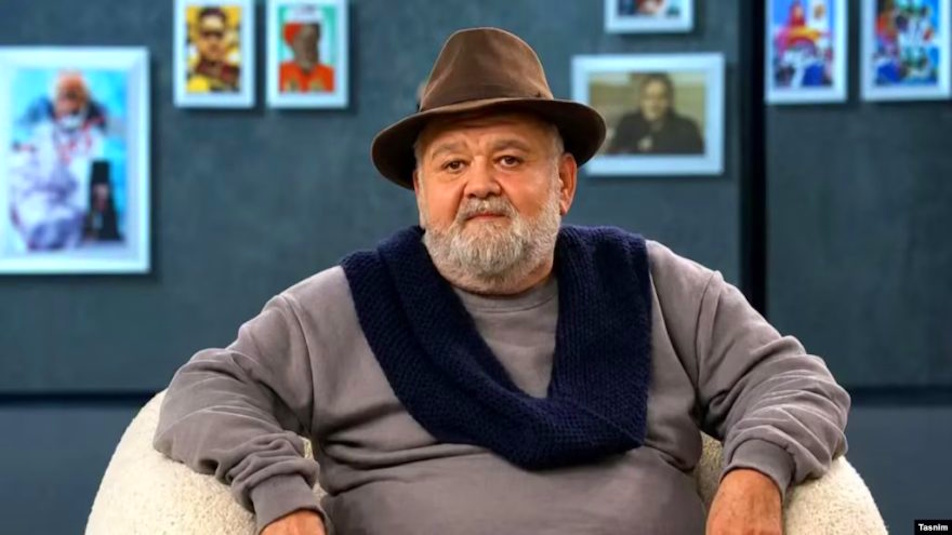
Akbar Abdi, one of Iran’s most beloved and enduring film and television actors, has passed away at the age of 65 following a cardiac arrest, Iranian state media reported on Friday. His death marks the end of an era for Iranian popular cinema, closing a career that spanned more than four decades and bridged generations of audiences both in Iran and across the Persian-speaking world.
State-affiliated news agencies confirmed Abdi’s death, noting that he had been hospitalized multiple times in recent years due to chronic heart and kidney ailments. Despite receiving ongoing medical treatment over the past several months, his health had deteriorated significantly, leading to his sudden collapse and subsequent passing.
A Career Built on Laughter and Depth
Born in Tehran in 1960, Abdi discovered his passion for performance at a young age and began his artistic journey in the late 1970s, shortly before the Iranian Revolution. He rose through the ranks of Iranian cinema during a transformative period, eventually becoming one of the most recognizable faces on the national screen. While he demonstrated remarkable range across dramatic and tragic roles, it was his work in comedy that cemented his legendary status. With his expressive face, impeccable timing, and everyman charm, Abdi had a rare gift for making audiences laugh while also inviting them to reflect.
Among his most celebrated films are Mother (1990), directed by Ali Hatami, The Snowman (1995), The Actor (1993), and The Outcasts (2002) all of which became cultural touchstones in Iranian popular culture. His performance in I Feel Sleepy, directed by Reza Attaran, earned him the prestigious Crystal Simorgh for Best Actor at the Fajr Film Festival, one of the highest honors in Iranian cinema. That role, like many others, showcased his ability to blur the line between comedic levity and emotional vulnerability.
Breaking Molds and Challenging Norms
What truly distinguished Abdi from his contemporaries was his fearless willingness to subvert traditional gender roles on screen. He became widely known for portraying female characters often in comedic settings with a sensitivity and humor that defied easy stereotypes. These performances were not merely slapstick; they were layered social commentaries that resonated with Iranian audiences, offering a subtle critique of societal norms while remaining deeply entertaining. This distinctive facet of his career not only boosted his popularity but also paved the way for more nuanced discussions about performance and identity in Iranian media.
A Shared Cultural Icon Beyond Borders
Abdi’s influence extended far beyond Iran’s borders. In Afghanistan, where Iranian films and television series have long enjoyed massive viewership, he was a household name. For generations of Afghan viewers who grew up watching Iranian satellite broadcasts, Abdi’s characters were a familiar and comforting presence a shared cultural thread that connected two Persian-speaking nations. His work helped foster a sense of cultural kinship, and his passing has been met with an outpouring of grief from Afghan fans and artists alike.
An Outpouring of Grief and Gratitude
In the hours following the news, Iranian social media platforms were flooded with tributes from actors, directors, filmmakers, and everyday viewers. Many shared clips of his most iconic scenes, recounting how his performances accompanied them through different stages of life from childhood laughter to adult reflection. Colleagues remembered him not only for his artistic brilliance but also for his warmth, humility, and dedication to his craft.
“He was a master of making the ordinary extraordinary,” wrote one prominent director in a condolence post. “Akbar didn’t just act he lived every role, and in doing so, he made us feel less alone.”
A Lasting Legacy
Akbar Abdi’s death is a profound loss for Iranian cinema and for all those who found joy, comfort, and meaning in his performances. His body of work—spanning over 70 films and numerous television series remains a testament to the power of comedy as a vehicle for human connection. While his voice has fallen silent, the characters he brought to life will continue to evoke laughter and tears for generations to come.
He leaves behind a devoted audience, a rich artistic legacy, and an indelible mark on the cultural landscape of Iran and the broader Persian-speaking world. In remembering Abdi, Iranians are not just mourning an actor; they are celebrating a man who taught them how to laugh at life’s absurdities and, in doing so, how to endure them.
Our Pashto-Dari Website

Support Dawat Media Center
If there were ever a time to join us, it is now. Every contribution, however big or small, powers our journalism and sustains our future. Support the Dawat Media Center from as little as $/€10 – it only takes a minute. If you can, please consider supporting us with a regular amount each month. Thank you
DNB Bank AC # 0530 2294668
Account for international payments: NO15 0530 2294 668
Vipps: #557320

Comments are closed.