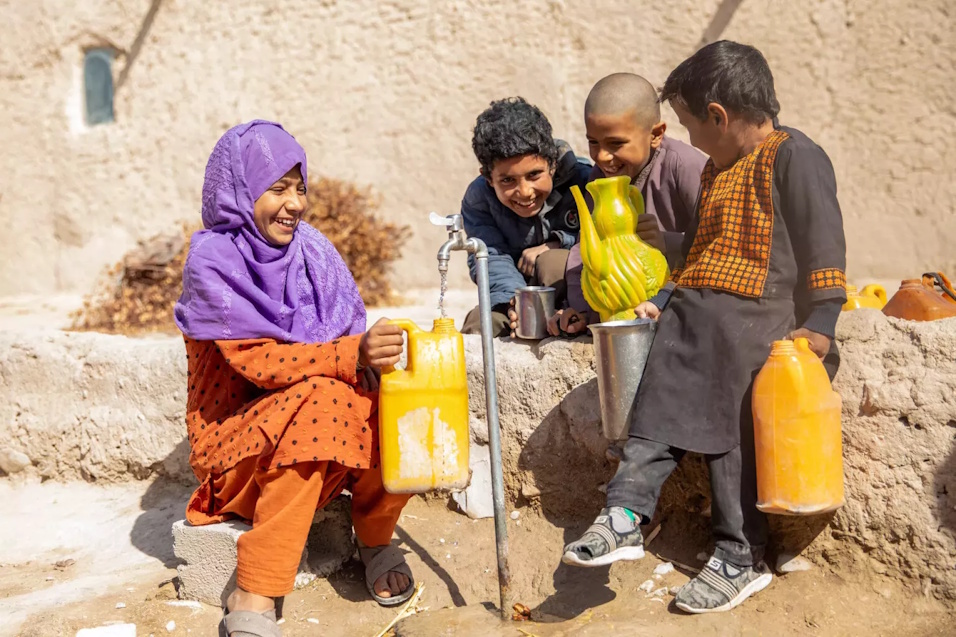
Kabul, Afghanistan — Afghanistan’s water crisis is worsening due to climate change, rising demand, inadequate funding and infrastructure, and poor management of water resources, UNICEF’s representative in the country has warned.
Tajudeen Oyewale, UNICEF’s representative in Afghanistan, said on Saturday that children and communities were increasingly suffering from the consequences of the growing crisis. He thanked member states, donors and international financial institutions that participated in a UNICEF briefing on Afghanistan’s water challenges, underscoring the importance of coordinated international engagement in addressing the emergency.
The warning comes as Afghanistan faces mounting pressure on its water supplies, with drought, declining groundwater resources and rapid urban growth making access to safe water increasingly difficult in some areas. Years of conflict, displacement and economic instability have further weakened the country’s ability to respond to the crisis, leaving millions of Afghans without reliable access to clean water.
The Associated Press reported in April 2026 that Kabul’s groundwater levels had fallen by an estimated 25 to 30 metres over the previous decade. The city’s growing population, reduced rainfall, drought and excessive groundwater extraction have intensified shortages, leaving some residents dependent on expensive water supplies or sources that may be unsafe. Many families in the capital are forced to purchase water from private tankers at costs that strain already limited household budgets, while others resort to shallow wells or unprotected sources that pose serious health risks.
UNICEF has also highlighted the wider effects of climate change on children. In June, the agency reported that more than 8.8 million children in Afghanistan were exposed to at least three overlapping climate hazards, including droughts, floods and extreme heat. These conditions can disrupt access to safe water, sanitation, healthcare and education, with consequences that extend far beyond immediate thirst — including increased vulnerability to disease, malnutrition, and interrupted schooling as children are forced to spend hours fetching water instead of attending classes.
In a further effort to address shortages, UNICEF and the Government of South Korea announced on October 22 that a water project had established or rehabilitated supply systems serving more than 39,000 children and their families in climate-vulnerable communities. The systems include boreholes, solar-powered pumps, reservoirs and distribution networks, reflecting a push toward sustainable, climate-resilient infrastructure that can withstand periods of drought and reduce reliance on costly and environmentally harmful alternatives.
However, humanitarian needs remain substantial. UNICEF says reliable access to safe water is essential to protecting children’s health and preventing waterborne disease, while improved sanitation and hygiene are also important to reducing the risks of illness and malnutrition. Without sustained investment, the agency warns, gains made in recent years could be reversed as water scarcity intensifies.
The agency’s latest warning underscores the need for sustained funding, climate-resilient infrastructure and better management of water resources to help Afghan communities cope with growing shortages. UNICEF has called on the international community to scale up support for water, sanitation and hygiene programmes, emphasizing that investment in safe water is not only a humanitarian imperative but also a foundation for Afghanistan’s long-term stability and development.




Comments are closed.