
Afghanistan on the Brink: Malnutrition Soars in Over Half the Country as Aid Dwindles, UN-Backed Report Warns

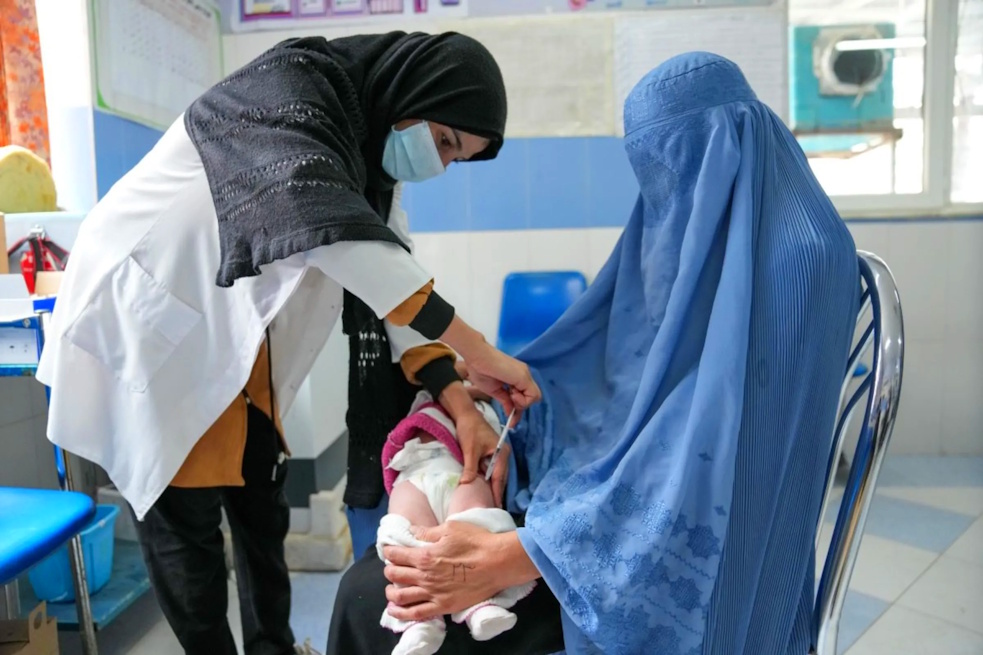
KABUL — A stark new humanitarian assessment reveals that malnutrition is escalating in more than half of Afghanistan’s districts, with cases doubling in many areas over just three months a crisis driven by skyrocketing food prices, economic collapse, relentless climate shocks, and a sharp contraction in international aid.
According to the latest analysis by REACH, a global research initiative supported by the United Nations, malnutrition rates are increasing in 53 percent of surveyed districts across the country. Even more alarming, in 44 percent of those areas, the number of reported malnutrition cases has doubled within the past three months, signaling a rapid deterioration that is overwhelming already fragile health systems.
The assessment, conducted between May 10 and June 7 across 401 districts and drawing on insights from 12,854 key informants including healthcare workers, local officials, and community leaders paints a picture of a nation hurtling toward a humanitarian precipice. The provinces of Panjshir (89%) , Faryab (85%) , and Laghman (83%) recorded the most dramatic spikes in malnutrition, areas that have historically struggled with access and are now bearing the brunt of compounding crises.
A Perfect Storm of Hunger and Poverty
The report estimates that 21.9 million Afghans nearly 45 percent of the population now require urgent humanitarian assistance to survive. Food insecurity is not just a looming threat; it is a present reality, classified as a “serious” or “very serious” problem in 65 percent of the surveyed districts. This hunger is being fueled by an economic freefall that shows no signs of abating; 55 percent of districts reported significant food-price hikes in the month leading up to the survey, eroding the purchasing power of ordinary families who are already spending the bulk of their income on bread and cooking oil.
In a desperate bid to stave off starvation, Afghan families are liquidating their most vital assets. In 87 percent of surveyed areas, informants reported a sharp increase in households selling their livestock often their only remaining source of income, milk, and meat simply to buy basic staples. This short-term survival strategy, experts warn, will have long-term consequences for both nutrition and rural livelihoods.
The Aid Gap: A Widening Chasm
As needs skyrocket, humanitarian assistance is contracting at a dangerous pace. The assessment found that humanitarian aid reached only 29 percent of surveyed districts during the three months prior to the survey a significant drop from 37 percent in March of this year. This widening gap between needs and available support is leaving millions without a safety net, particularly as international funding for Afghanistan has dwindled amid competing global crises and political complexities.
Climate Shocks and Displacement Compound the Crisis
Afghanistan’s increasingly volatile climate is adding another layer of catastrophe. Drought was cited as a primary driver of displacement in 40 percent of surveyed areas, decimating crops and drying up water sources. Simultaneously, unprecedented flash floods have caused severe damage to homes and infrastructure in 15 percent of districts, destroying what little food reserves families had managed to store.
The crisis is further exacerbated by the mass return of Afghan migrants from Iran and Pakistan. Half of the surveyed districts reported receiving returnees, many of whom are arriving destitute after being forcibly expelled or choosing to leave due to harsh conditions abroad. Strikingly, 57 percent of these districts stated that the returnees had received absolutely no humanitarian assistance upon their arrival, placing an immense burden on already impoverished host communities.
Healthcare on Life Support
Even for those who manage to find food, accessing treatment for malnutrition and other illnesses is becoming nearly impossible. The assessment highlights a healthcare system in critical condition: 77 percent of surveyed areas reported acute shortages of medicines and medical equipment, while 59 percent said that the cost of treatment is simply unaffordable for the average family. This means that even when malnourished children reach a clinic, they often face a lack of supplies or prohibitive fees, rendering the healthcare system an inadequate line of defense.
A Call for Urgent, Sustained Action
The converging forces of food insecurity, economic depression, climate-induced disasters, forced displacement, and dwindling aid are creating a humanitarian disaster that Afghanistan cannot weather alone. The REACH assessment serves as a critical early warning system one that underscores the fragility of life for millions of Afghans.
Without a significant and sustained increase in humanitarian funding and unimpeded access for aid organizations, the assessment warns that vulnerable households will face an inevitable further deterioration in their access to food, clean water, and essential health services. The international community, the report implicitly argues, is at a crossroads: act decisively now to prevent a full-blown famine, or watch as an entire generation of Afghans is lost to malnutrition and preventable disease.
زموږ انګلیسي ویبپاڼه:

Support Dawat Media Center
If there were ever a time to join us, it is now. Every contribution, however big or small, powers our journalism and sustains our future. Support the Dawat Media Center from as little as $/€10 – it only takes a minute. If you can, please consider supporting us with a regular amount each month. Thank you
DNB Bank AC # 0530 2294668
Account for international payments: NO15 0530 2294 668
Vipps: #557320

Comments are closed.