

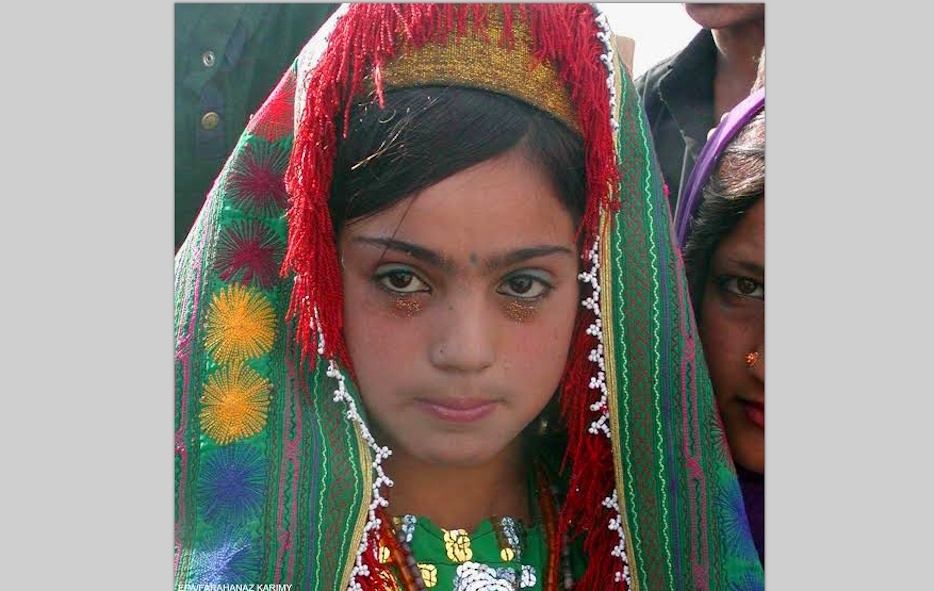
Child marriage remains a major social and human rights challenge in Afghanistan, with poverty, limited girls’ education and economic hardship driving the practice, according to available national and international data. Marking the first International Day Against Child Marriage, Early Marriage and Forced Marriage on November 27 designated by the UN General Assembly in September 2026 new reports highlight persistent risks for Afghan girls.
National data show 28.7 percent of Afghan women aged 20 to 24 were married before turning 18. A UK Foreign Office report published in May 2026 linked family economic difficulties to the practice, noting reported child marriage cases rose from 323 in 2024 to 746 in 2025. An October 2026 ACAPS report identified child, early and forced marriage as a serious protection concern, affecting about half of girls and one-quarter of boys in assessed communities figures that reflect surveyed areas only, not national prevalence.
Education and household wealth strongly correlate with early marriage. According to the Child Marriage Data Portal, 35.2 percent of Afghan girls and women aged 20 to 24 with no formal education married before 18, compared with 15.3 percent of those who completed secondary education or higher. The rate was 43.6 percent in the poorest economic group versus 17.5 percent in the wealthiest.
Consequences extend beyond lost schooling. Girls marrying before 18 face heightened physical and mental health risks, early pregnancy and reduced decision-making power. The portal reports 54.7 percent of women who married before 18 gave birth before that age, compared with 2.2 percent of those who married at 18 or older.
Globally, approximately 12 million girls marry before 18 each year, and about 650 million women and girls were married in childhood. The UN warns that at the current pace, ending child marriage could take roughly 300 years, far short of the 2030 target.
In Afghanistan, experts say legal prohibitions alone are insufficient. Reducing poverty, providing economic assistance to vulnerable families, ensuring girls’ access to education, improving healthcare and strengthening social and legal protection mechanisms are all critical to reducing early marriage and safeguarding girls’ futures.
Support Dawat Media Center
If there were ever a time to join us, it is now. Every contribution, however big or small, powers our journalism and sustains our future. Support the Dawat Media Center from as little as $/€10 – it only takes a minute. If you can, please consider supporting us with a regular amount each month. Thank you
DNB Bank AC # 0530 2294668
Account for international payments: NO15 0530 2294 668
Vipps: #557320
