Across vast swaths of Afghanistan, families are reeling from the aftermath of catastrophic flash floods that have ravaged homes, wiped out businesses, and destroyed vital sources of income, leaving countless residents without even the bare essentials of food, shelter, or clean water. In what local officials are calling one of the most widespread weather-related disasters in recent years, the flooding has now spread to 16 provinces over the past 48 hours, overwhelming already fragile communities still recovering from decades of conflict and economic hardship.
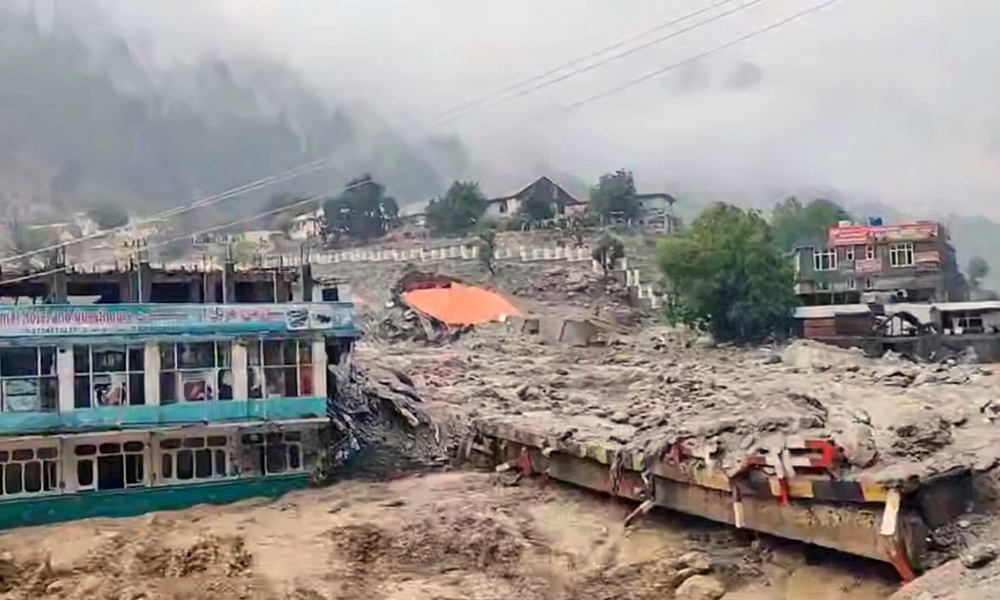
The destruction has been especially merciless in Nuristan province, a mountainous region in the east, where torrential waters cascaded through valleys and swept away entire sections of markets, hotels, and small commercial hubs. Residents described scenes of chaos as floodwaters rose without warning, submerging storefronts and engulfing guesthouses that had long served as lifelines for local trade and tourism.
“These hotels and buildings were constructed about 15 to 20 years ago,” said Zikrullah, a longtime resident of Nuristan, his voice heavy with grief. “Their destruction has caused heavy financial losses for the people some families have lost everything they worked a lifetime to build.”
Local Taliban officials in Nuristan have estimated that the flooding has resulted in millions of dollars in economic damage, though they acknowledged that the true toll—both financial and human—may take weeks to fully assess. Beyond the material losses, the emotional and psychological scars are deep, as entire communities watch their landmarks and livelihoods reduced to rubble and mud.
“We have fatalities, we have injured people,” said Jalal, another resident who stood near the wreckage of what was once a bustling commercial district. “This was the center of business activity in Nuristan, and it has all been destroyed in a single night. Our future feels uncertain.”
As communities scramble to salvage what they can, the Taliban-run National Disaster Management Authority has confirmed that at least 10 people have been killed and six others injured in the relentless downpours, which have also triggered landslides and severe storms in several provinces. The agency warned that the death toll could rise as search-and-rescue teams reach more isolated villages cut off by collapsed roads and bridges. In addition to the casualties, hundreds of homes have been partially or completely demolished, and thousands of acres of agricultural land the primary source of food and income for many rural families have been submerged under muddy water.
Faridun Samim, spokesman for the Taliban governor in Nuristan, urged humanitarian organizations to expedite relief efforts, stressing that local authorities lack the resources to meet the scale of need. “We have held discussions with the relevant departments and organizations,” Samim said. “Our immediate priority is to provide emergency shelter, food, and medical care. But we also look to the future this area will once again have its markets, regain its place, and once again attract tourists. For now, though, we need urgent help.”
The United Nations has echoed that call, stating that many families have lost not only their homes but also their primary means of earning a living whether through farming, shopkeeping, or seasonal labor. However, the UN also issued a stark warning: relief operations are being severely hampered by chronic funding shortages, as global attention remains divided among multiple crises worldwide. Aid agencies have reported that less than half of the required emergency funds have been pledged, forcing difficult decisions about which communities to prioritize.
With the rainy season far from over, meteorologists are predicting more heavy weather in the coming days, raising fears that the flooding could spread even further. For now, survivors are left to wade through the aftermath digging through debris, burying their dead, and clinging to the faint hope that international assistance will arrive before the next storm hits.




Comments are closed.