
Shocking UNICEF Report Warns of 25,000 Female Teacher and Nurse Shortage in Afghanistan

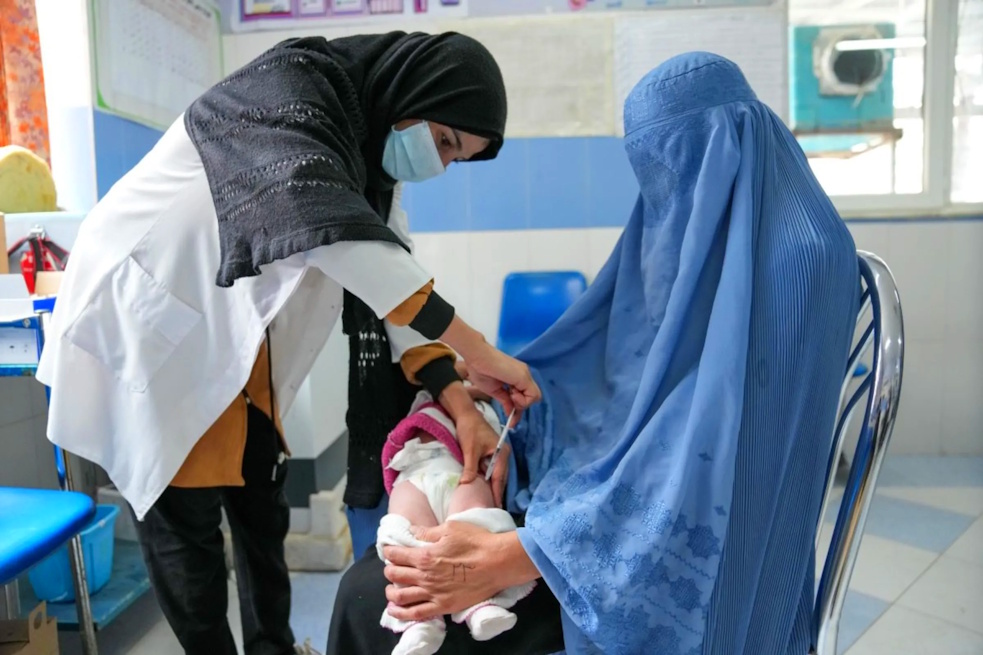
UNICEF has issued a stark warning that Afghanistan could lose more than 25,000 female teachers and health workers by 2030 if ongoing restrictions on women’s education and employment are not reversed.
In a newly released report titled The Cost of Inaction on Girls’ Education and Women’s Employment in Afghanistan, published Tuesday, UNICEF said policies limiting girls’ access to schooling and preventing women from fully participating in the workforce are driving the country toward a dangerous shortage of skilled female professionals.
According to the report, Afghanistan could lose nearly 20,000 female teachers and approximately 5,400 female health workers by the end of the decade. Together, that would represent around one-quarter of the female workforce in the education and health sectors compared with 2021 levels.
UNICEF further warned that by 2035, the number of female health workers could decline to just 9,600 nationwide, worsening an already severe shortage in essential medical services and placing millions at greater risk.
The agency said more than one million girls have already been affected by restrictions on education, and if current policies continue, that number could double by 2030. The loss of educational opportunities is expected to have devastating long-term consequences for the country’s future workforce and social development.
UNICEF Executive Director Catherine Russell said Afghanistan “cannot afford to lose its future teachers, nurses, doctors, midwives, and social workers,” stressing that excluding girls from education today will create irreversible damage for generations to come.
Since returning to power in 2021, the Taliban authorities have imposed sweeping restrictions on women and girls, including banning girls from attending school beyond grade six and blocking women from many jobs in the public sector and humanitarian organizations.
Those measures have been widely condemned by Afghan citizens, human rights groups, aid agencies, and governments around the world, all of whom warn the policies are causing deep social, humanitarian, and economic harm.
UNICEF said the shortage of female teachers and health workers would directly reduce girls’ access to education and women’s access to healthcare, especially in a country where cultural norms and gender-segregated systems make female staff essential.
In many areas of Afghanistan, women and girls cannot easily receive treatment from male health workers or attend classes taught by men, meaning the loss of female professionals could leave entire communities without basic services.
The report also underscored the economic cost of excluding women from education and employment. UNICEF estimates Afghanistan could lose around 5.3 billion afghanis, or approximately $84 million each year equal to about 0.5 percent of national GDP.
The agency urged immediate policy changes, warning that without action, Afghanistan faces not only a humanitarian crisis but also the collapse of critical systems needed to educate children, protect families, and sustain long-term recovery.
Our Pashto-Dari Website

Support Dawat Media Center
If there were ever a time to join us, it is now. Every contribution, however big or small, powers our journalism and sustains our future. Support the Dawat Media Center from as little as $/€10 – it only takes a minute. If you can, please consider supporting us with a regular amount each month. Thank you
DNB Bank AC # 0530 2294668
Account for international payments: NO15 0530 2294 668
Vipps: #557320

Comments are closed.