
UN Reports Over 40 Dead as Catastrophic Floods Ravage Afghanistan’s Nuristan Province

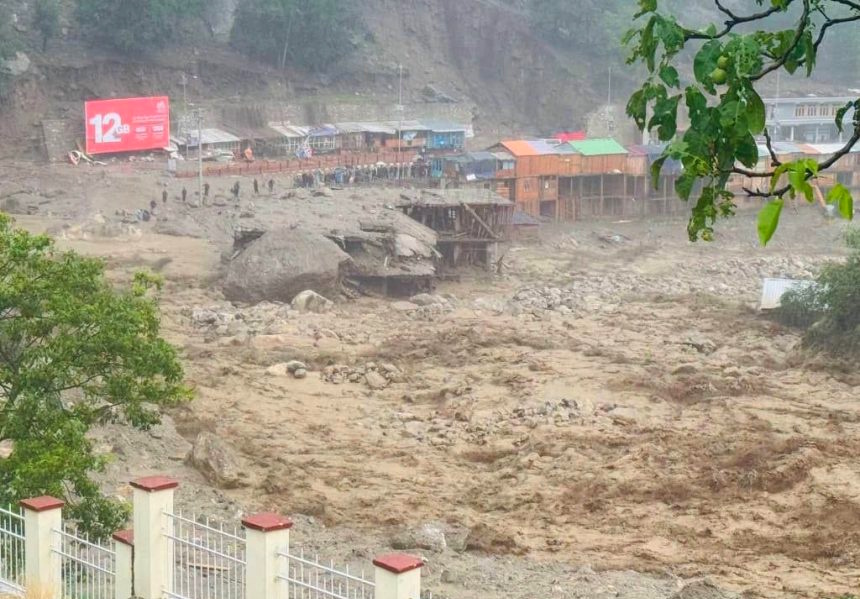
The United Nations has confirmed that more than 40 people have been killed, dozens injured, and many others remain unaccounted for after torrential flash floods tore through Afghanistan’s northeastern Nuristan province, devastating entire communities and triggering a humanitarian crisis in an area already reeling from poverty and instability.
Speaking at a regular press briefing in New York, UN spokesperson Stéphane Dujarric described the floods as “severe and widespread,” stating that they had inflicted extensive damage on homes, public infrastructure, and commercial properties. He added that the destruction of key roads and the region’s notoriously rugged mountainous terrain have seriously impeded search-and-rescue efforts, as well as the delivery of emergency aid.
“More than 40 people have lost their lives, dozens have been injured, and many remain missing,” Dujarric told reporters. “Search and rescue operations are ongoing in the hardest-hit districts, but access remains a critical bottleneck.”
The floods struck multiple areas of Nuristan, including the provincial capital, Parun, where surging waters and mudslides swept through residential neighbourhoods and market districts. Local families have been seen frantically digging through rubble and debris with their bare hands, hoping to find relatives believed to be trapped beneath collapsed structures.
Survivors have painted a grim picture of sudden devastation. Wali Mohammad, a resident of Parun, recounted how the floodwaters engulfed his home within minutes. “We are 12 people in our family. I lost one of my children, and I suffered a serious leg injury,” he said from a makeshift shelter. “I am now disabled. Our economic situation was already desperate, and now we have lost everything our home, our shop, our future.”
Other residents described scenes of chaos as floodwaters swept away food stalls, clothing shops, and small warehouses, leaving behind piles of twisted metal and caked mud. Many survivors are now sleeping in the open or in partially damaged buildings, with little access to clean water, food, or medical care.
Afghanistan’s Taliban-run disaster management authority has warned that the casualty toll may rise further as rescue teams push into more remote valleys that remain cut off. In a statement, the authority also cautioned that additional rainfall and thunderstorms are forecast for several provinces in the coming days, urging residents to avoid riverbanks, low-lying areas, and unstable slopes prone to flash flooding.
The UN and its humanitarian partners have begun assessing the scale of the damage and coordinating a response, but officials acknowledge that reaching the most affected communities remains a formidable challenge. Many roads have been washed away or blocked by landslides, and the province’s steep, winding paths are nearly impassable for heavy vehicles. Helicopter surveys are being considered, but poor visibility and limited aviation resources have slowed progress.
The Taliban-run National Environmental Protection Agency has attributed the increasing frequency and intensity of such extreme weather events to global climate change, pointing out that Afghanistan despite contributing minimally to greenhouse gas emissions is among the most climate-vulnerable countries in the world. Over the past three years, deadly seasonal floods have become more common, overwhelming fragile infrastructure and displacing tens of thousands of families.
This latest disaster strikes a country already buckling under a severe humanitarian crisis. More than half of Afghanistan’s population faces acute food insecurity, and the health system is chronically underfunded. International sanctions and the freezing of foreign assets have further constrained the Taliban government’s ability to respond to natural catastrophes, leaving many communities reliant on overstretched local networks and ad hoc relief efforts.
With scores of people still missing and emergency crews working around the clock, the full extent of the human and economic toll in Nuristan may not be known for days or even weeks. For now, grieving families and exhausted survivors are left to wait hoping for help that may come too slowly, and bracing for more rain that could bring further ruin.
Our Pashto-Dari Website

Support Dawat Media Center
If there were ever a time to join us, it is now. Every contribution, however big or small, powers our journalism and sustains our future. Support the Dawat Media Center from as little as $/€10 – it only takes a minute. If you can, please consider supporting us with a regular amount each month. Thank you
DNB Bank AC # 0530 2294668
Account for international payments: NO15 0530 2294 668
Vipps: #557320

Comments are closed.