
OCHA Appeals for Urgent Support as Mass Afghan Returns from Pakistan Intensify

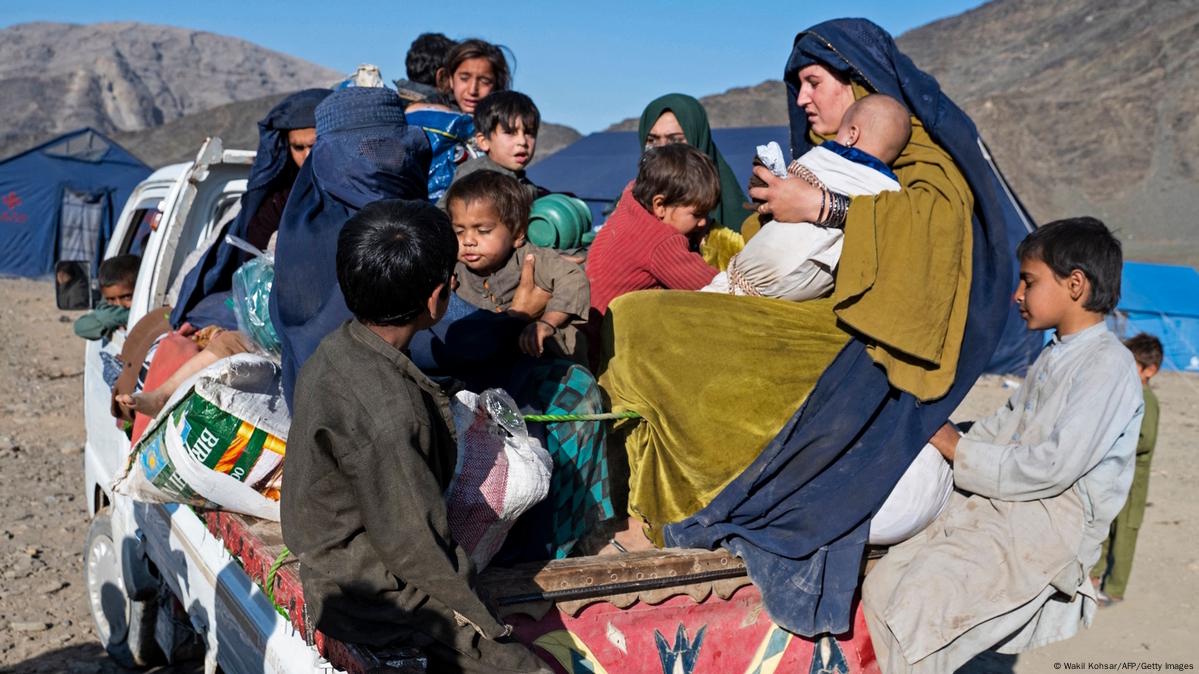
As the forced repatriation of Afghan refugees from Pakistan accelerates, the United Nations Office for the Coordination of Humanitarian Affairs (OCHA) is urgently calling on the international community to ramp up funding and resources for Afghanistan. Since 2023, over six million Afghan migrants have returned from Iran and Pakistan and with nearly 2.8 million more expected to cross the border by the end of this year, humanitarian agencies warn that the country’s already fragile systems are nearing collapse.
A Perilous Homecoming
For families like Noor Agha’s, the return has been anything but voluntary. Having spent years in Pakistan, they now find themselves uprooted once again this time under duress. “We could not even leave the house there,” Noor Agha recalls. “They would force open our door. Once, they arrested my father and took 50,000 or 60,000 [Pakistani rupees] from us.” Another returnee, who asked to remain anonymous, described a climate of pervasive fear: “They were arresting everyone documented or not. The situation was unbearable.”
Human rights organizations have condemned the mass deportations, arguing that they violate the principle of non-refoulement under international law, which prohibits returning individuals to places where they face serious threats to life or freedom. Many of those expelled have lived in Pakistan for decades, with children born and raised there now facing an unfamiliar and impoverished homeland.
From Border to Brink
According to OCHA, crossing into Afghanistan is only the first step in a long and treacherous journey. More than 2.7 million returnees this year alone are in immediate need of life-saving assistance. The agency stresses that these families require not just emergency food and water, but also safe shelter, livelihood opportunities, education for their children, and accessible healthcare services. “Continued humanitarian support is not optional it is vital to prevent a full-blown crisis,” an OCHA spokesperson stated.
The strain on Afghanistan’s infrastructure is immense. Towns near border crossings are overwhelmed, with makeshift camps springing up overnight. Returnees often arrive with nothing but the clothes on their backs, having lost homes, savings, and belongings during their abrupt departure.
Turning Crisis into Opportunity?
Yet amid the despair, some experts see a glimmer of potential. Abdul Zahoor Modaber, an economic affairs analyst, argues that the returnee population is not monolithic. “We have two types of migrants,” he explains. “Some are vulnerable and require immediate care, but others are productive individuals skilled workers, entrepreneurs, and educated professionals who possess physical and intellectual capabilities. They represent an opportunity for Afghanistan’s reconstruction. We should harness their potential through job-creation programs and skills-matching initiatives.”
Modaber’s perspective echoes calls from development agencies to shift from purely emergency aid toward longer-term integration strategies. Without such investment, however, the risk of social unrest, child labor, and secondary displacement remains high.
A Call to Action
OCHA’s appeal is clear: sustained, flexible funding is urgently needed to scale up shelter projects, cash-assistance programs, and community-based support networks. The agency also emphasizes the importance of diplomatic engagement with Pakistan and Iran to ensure that any future returns are voluntary, dignified, and well-managed.
As winter approaches bringing with it freezing temperatures and increased risk of disease the window for action is narrowing. For families like Noor Agha’s, the difference between survival and destitution hinges on whether the world responds in time. “We left everything behind,” he says quietly. “Now we are starting from zero. But we have nowhere else to go.”
Our Pashto-Dari Website

Support Dawat Media Center
If there were ever a time to join us, it is now. Every contribution, however big or small, powers our journalism and sustains our future. Support the Dawat Media Center from as little as $/€10 – it only takes a minute. If you can, please consider supporting us with a regular amount each month. Thank you
DNB Bank AC # 0530 2294668
Account for international payments: NO15 0530 2294 668
Vipps: #557320

Comments are closed.