

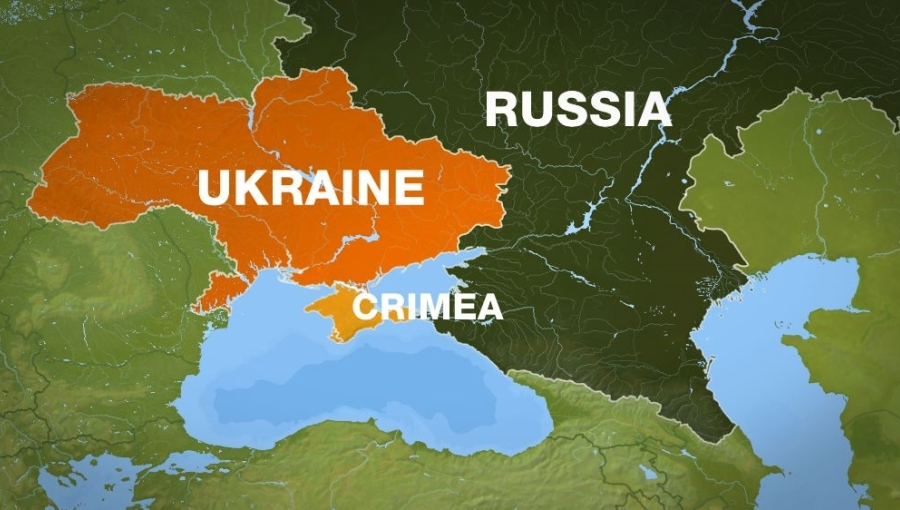
Ukrainian drone strikes targeted three warehouse facilities across Russia overnight, killing at least five people and injuring ten others, according to local officials on Tuesday. Two of the struck sites belong to Wildberries, Russia’s largest online retailer, which has become a recurring target in Kyiv’s campaign to project military power deep into Russian territory and bring the war closer to ordinary citizens.
In the Leningrad region, near St Petersburg, a Wildberries distribution centre caught fire after being hit by drones. The company’s founder and CEO, Tatyana Kim, confirmed the blaze but said there were no casualties at that location. However, in the Tver region, northwest of Moscow, another Wildberries facility was damaged in a separate drone attack, according to acting regional governor Vitaly Korolyov. He also reported no injuries there.
The deadliest strike occurred in the Moscow region, home to some 22 million people. Governor Andrei Vorobyov said that drones hit an unnamed warehouse in the city of Chekhov, south of the capital, igniting a large fire that claimed five lives and left ten others wounded. Emergency services were deployed to contain the blaze and assist victims.
Kyiv has not officially commented on the latest attacks, but Ukrainian military officials have previously acknowledged targeting logistics and infrastructure sites inside Russia as part of a strategy to degrade Moscow’s war machine and undermine public confidence in the Kremlin’s ability to protect the homeland. Wildberries often dubbed “Russia’s Amazon” due to its dominant role in e-commerce and its vast network of fulfilment centres has been singled out repeatedly. Since July 18 alone, more than a dozen Wildberries facilities have been hit by Ukrainian drones, prompting the company to suspend operations at some sites and relocate inventory.
Wildberries CEO Tatyana Kim has condemned the assaults as “acts of terrorism,” insisting that the company has no military role and that its warehouses serve only civilian needs. She has called on Russian authorities to strengthen air defence systems around critical infrastructure. Meanwhile, the Russian defence ministry reported that its forces intercepted and destroyed dozens of Ukrainian drones overnight across several regions, but acknowledged that some had evaded air defences.
The escalating drone campaign reflects a broader shift in Ukrainian tactics, as Kyiv seeks to offset its battlefield disadvantages on the eastern front by striking high-value targets deep inside Russia. While the military impact of these attacks remains debatable, their psychological and economic effects are significant disrupting supply chains, fuelling public anxiety, and forcing Russian businesses to invest heavily in protective measures.
As the war enters its third year, the question of how far Ukraine is willing to go and how Russia will respond looms large. Analysts suggest that Moscow may retaliate with renewed strikes on Ukrainian energy infrastructure, potentially escalating the cycle of long-range bombardment. For now, the warehouses smoulder, the death toll rises, and a conflict that once seemed distant to many Russians leaves ever more visible scars on the home front.
Our Pashto-Dari Website

Support Dawat Media Center
If there were ever a time to join us, it is now. Every contribution, however big or small, powers our journalism and sustains our future. Support the Dawat Media Center from as little as $/€10 – it only takes a minute. If you can, please consider supporting us with a regular amount each month. Thank you
DNB Bank AC # 0530 2294668
Account for international payments: NO15 0530 2294 668
Vipps: #557320

Comments are closed.