

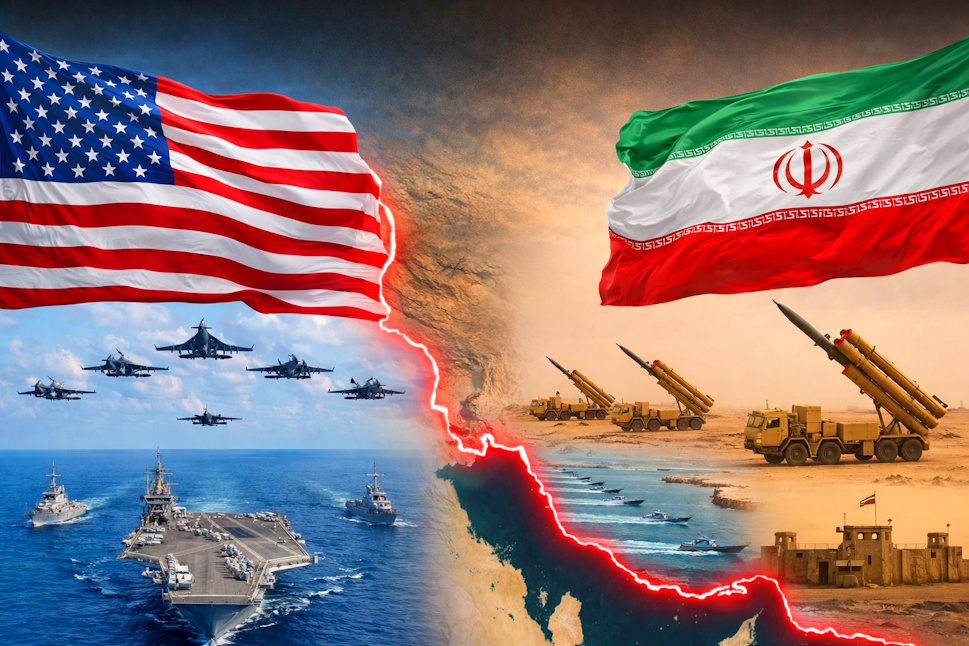
WASHINGTON/TEHRAN – The United States has paused its military strikes on Iran, creating a fragile window for diplomatic engagement as international mediators work to prevent a broader regional conflict. While the lull in hostilities has revived hopes for negotiations, tensions remain dangerously high across the Middle East, with violence spreading beyond the Gulf and new geopolitical flashpoints emerging.
Diplomatic Overtures and Military Restraint
U.S. President Donald Trump confirmed that Washington is continuing talks with Tehran and expressed optimism that Iranian officials are becoming “more serious” about negotiations after weeks of escalating hostilities. The pause in military action follows nearly two weeks of consecutive nightly U.S. bombardments—a period that raised global fears of an all-out regional war. According to reports, the White House opted to prioritize diplomacy while maintaining military pressure through a continued U.S. naval presence in the region.
However, the halt in strikes may not solely reflect diplomatic goodwill. U.S. media, including CNN and The New York Times, have reported that the pause could also be driven by concerns over dwindling munitions stockpiles particularly Patriot interceptors and other defensive systems which have restrained plans for further escalation. Plans to intensify the campaign have been shelved in part due to these supply pressures, according to sources briefed on the matter.
Iran’s Retaliatory Halt and Warnings
Iran’s army announced on Sunday that it has halted its own retaliatory attacks against U.S. allies in the Middle East, directly mirroring Washington’s pause. “These attacks continued until two nights ago, but over the past two nights the Americans have stopped their attacks,” said army spokesman Mohammad Akraminia. “Since our strategy has essentially been retaliatory, we have also halted our retaliatory operations.”
Nevertheless, Iran’s military warned that the war would widen significantly if the U.S. chose to restart its strikes. The warning came ahead of a scheduled visit by Israeli Prime Minister Benjamin Netanyahu to Washington on Tuesday, adding further uncertainty to the volatile equation.
Conflict Expands Beyond the Gulf
Despite the diplomatic push, violence has spread well beyond the strategic Strait of Hormuz. Yemen’s Iran-aligned Houthi movement has launched new attacks on Saudi oil facilities along the Red Sea coast, threatening key energy infrastructure and heightening concerns over the security of international shipping routes. The renewed assaults have also raised fears of further disruption to global oil supplies.
Adding another layer of complexity, Iran has accused Ukraine of carrying out an attack on one of its commercial vessels in the Caspian Sea a body of water far removed from the current Gulf theatre. Tehran has summoned Ukrainian diplomats to protest the incident, underscoring how the regional crisis is beginning to entangle other international actors.
Behind the Scenes: Mediation and Internal Debates
Diplomatic efforts are continuing through regional mediators. According to Al Arabiya sources, both the U.S. and Iran have submitted their formal responses to a Qatari-Pakistani proposal aimed at resuming talks between Washington and Tehran. The proposal represents one of the few active channels for de-escalation.
Internally, the White House has grappled with the risks of further escalation. CNN reported that Vice President JD Vance and top U.S. General Dan Caine both raised serious concerns about escalation during a White House meeting on Friday. Caine reportedly assured President Trump that the military could successfully carry out available options but also warned of potentially severe implications, reinforcing the case for a temporary hold.
Fragile Calm, Global Stakes
While the current lull has offered a breather, analysts warn that the situation remains exceedingly fragile. Any new military incident whether in the Gulf, the Red Sea, or the Caspian could rapidly derail negotiations and reignite full-scale conflict.
The crisis has already sent ripples through global energy markets. Continued uncertainty surrounding shipping through the Strait of Hormuz one of the world’s most critical oil transit chokepoints has kept governments, investors, and energy traders on high alert. With both sides maintaining their military posture and key diplomatic meetings on the horizon, the coming days will be pivotal in determining whether this pause becomes a prelude to peace or merely a lull before a more destructive storm.
Our Pashto-Dari Website

Support Dawat Media Center
If there were ever a time to join us, it is now. Every contribution, however big or small, powers our journalism and sustains our future. Support the Dawat Media Center from as little as $/€10 – it only takes a minute. If you can, please consider supporting us with a regular amount each month. Thank you
DNB Bank AC # 0530 2294668
Account for international payments: NO15 0530 2294 668
Vipps: #557320

Comments are closed.