
UN Demands Immediate Evacuation of 6,000 Seafarers Trapped in Hormuz Strait as Tanker Traffic Drops to a Trickle

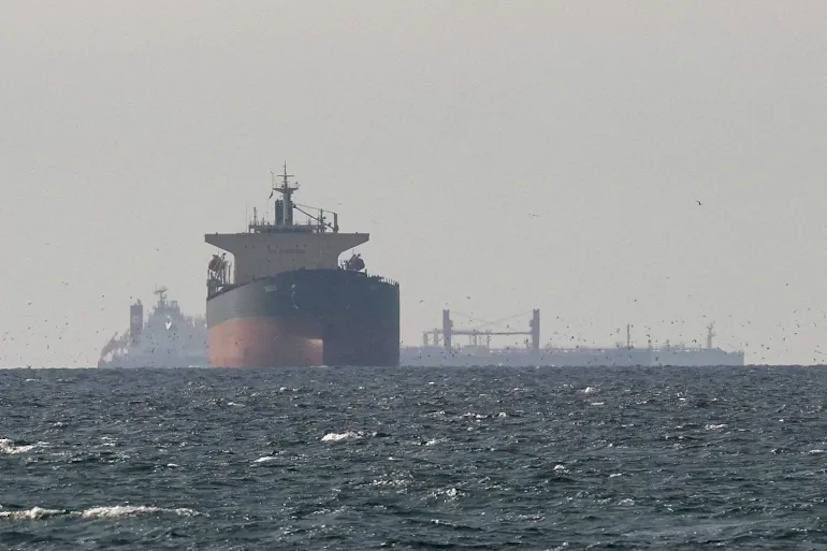
GENEVA / DUBAI – The UN’s top human rights official on Friday issued an urgent appeal for warring parties in the Middle East to facilitate the safe evacuation and repatriation of approximately 6,000 sailors stranded aboard vessels in and around the Strait of Hormuz, as escalating military strikes and regional tensions bring one of the world’s most critical maritime chokepoints to a near-standstill.
UN High Commissioner for Human Rights Volker Türk called on all states involved in the conflict to prioritize the welfare of civilian seafarers, many of whom have been trapped at anchor for weeks without reliable access to food, fuel, or medical care.
“Parties to the conflict should urgently work to facilitate safe passage for stranded seafarers to safely evacuate and disembark, as well as ensure the delivery of critical supplies,” Türk’s spokesperson, Shabia Mantoo, told reporters during a regular briefing in Geneva. “These are not combatants. They are civilian workers from dozens of nationalities, and their lives are increasingly at risk with every passing hour.”
The Strait of Hormuz a narrow 21-mile-wide waterway separating Iran and Oman handles roughly one-fifth of global oil consumption. But recent weeks have seen a dramatic collapse in commercial shipping activity amid a spiral of drone attacks, naval confrontations, and near-daily US airstrikes on Iranian military positions.
According to preliminary ship-tracking data compiled by analytics firm Kpler, daily vessel transits through the strait have remained at a steady but historically low average of just three per day over the past three days a fraction of the normal volume of 15–20 transits. From July 22 to July 24, exactly three vessels passed through each day, underscoring the severe disruption to global energy and commodity routes.
More recent movements paint a mixed picture of cautious maneuvering. On Friday, the laden very large crude carrier (VLCC) Romania Prosperity was tracked off the port of Fujairah, just outside the strait, carrying a cargo of Murban crude. The vessel’s final destination remains undisclosed, though industry sources speculate it may be awaiting instructions or safe-conduct guarantees. Separately, two empty soft-commodity bulk carriers exited the strait into the Persian Gulf, likely seeking shelter in safer anchorages.
On Thursday, the VLCC New Giant carrying 2 million barrels of Iraqi Basrah crude bound for China—successfully exited the strait and is now en route to Rizhao port, with an estimated arrival in mid-August. That same day, two additional ships including the empty VLCC Noble entered the Gulf via the strait, suggesting that some operators are still willing to risk the passage, albeit with heightened security protocols and naval escorts.
The US military confirmed late Thursday that it had completed its 13th consecutive night of airstrikes on Iranian targets, targeting missile batteries, radar installations, and naval facilities near the coast. The ongoing campaign has raised fears of a wider blockade or retaliatory mine-laying operations, which could trap even more vessels and endanger the estimated 6,000 crew members currently scattered across dozens of ships at anchor or drifting in holding patterns.
Maritime security experts warn that the humanitarian situation onboard is deteriorating rapidly. Many vessels have been unable to resupply fresh water, provisions, or medical stores due to port closures and insurance withdrawal. Several flag states and seafarer unions have called for a temporary ceasefire to allow for a coordinated evacuation, but diplomatic efforts remain stalled.
The UN has not yet detailed a specific evacuation plan, but sources indicate that the International Maritime Organization (IMO) is in talks with Oman, the UAE, and Qatar to establish neutral reception points for disembarking crews. Meanwhile, the International Transport Workers’ Federation (ITF) has urged shipping companies to abandon vessels if necessary and prioritize crew safety over cargo.
“Every day we delay, we risk a catastrophe not just an oil spill or a collision, but a massive loss of innocent life,” Mantoo added. “The world cannot look away while thousands of civilians are effectively held hostage by geopolitics.”
As of Friday evening, no formal safe-passage corridor had been agreed upon, and the US Navy’s Fifth Fleet reiterated its advisory for all commercial shipping to avoid the area unless absolutely necessary—a directive that leaves stranded crews with few viable options beyond waiting for a diplomatic breakthrough that has yet to materialize.
Our Pashto-Dari Website

Support Dawat Media Center
If there were ever a time to join us, it is now. Every contribution, however big or small, powers our journalism and sustains our future. Support the Dawat Media Center from as little as $/€10 – it only takes a minute. If you can, please consider supporting us with a regular amount each month. Thank you
DNB Bank AC # 0530 2294668
Account for international payments: NO15 0530 2294 668
Vipps: #557320

Comments are closed.