

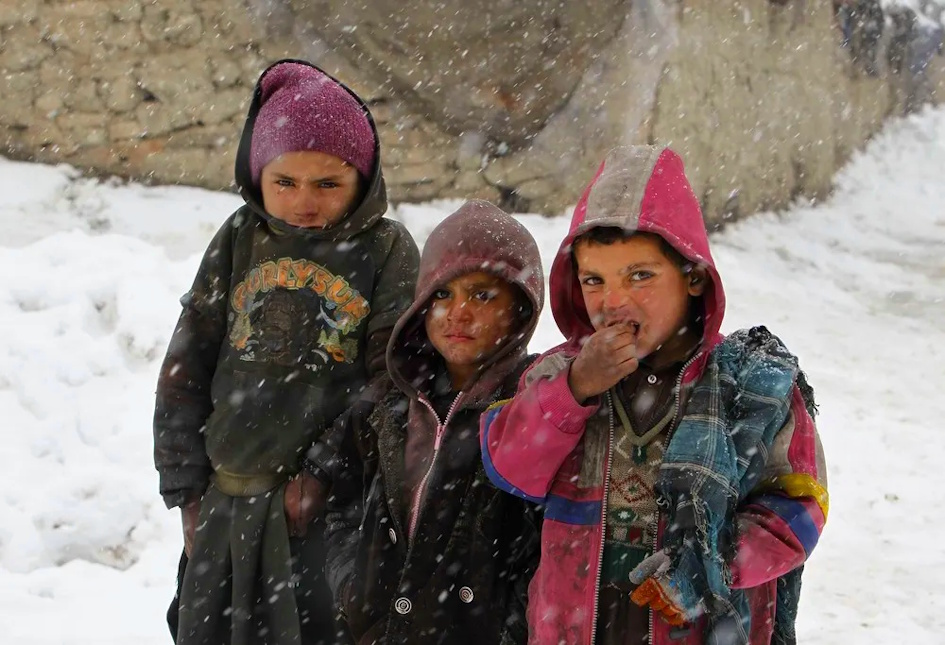
Throughout 2025, the International Federation of Red Cross and Red Crescent Societies (IFRC) managed to provide essential health services to more than two million people across Afghanistan, according to a new report released over the weekend.
The country faced a punishing combination of crises last year. Large numbers of migrants returned home, natural disasters struck various regions, and a severe drought took hold all of which placed overwhelming strain on local healthcare and humanitarian systems already struggling to cope.
In response, the IFRC expanded its network of health centers to more than 128 locations across Afghanistan. The majority of those reached 60 percent—were women and girls, a reflection of both their vulnerability and the targeted efforts to ensure they weren’t left behind.
Mental health support also emerged as a critical need. Over the course of the year, 13,000 people received psychosocial counseling, with women making up a striking 83 percent of those participants. The numbers point to a quiet crisis unfolding alongside the more visible ones.
The IFRC also focused heavily on prevention, running hygiene and health awareness sessions that drew nearly 927,000 attendees. Once again, women and girls were the majority, accounting for 65 percent of participants. These sessions helped spread practical knowledge on how to avoid disease in a time when medical resources are stretched thin.
On the shelter front, more than 222,000 people received help, much of it concentrated at key border crossings in Herat, Nangarhar, and Kandahar. There, returning families and others displaced by the turmoil were given safe, temporary places to stay.
Cash assistance reached over 165,000 individuals, with a total of 3.7 million Swiss francs distributed. For many, that money meant the difference between going hungry and putting food on the table, or between skipping medical care and getting treatment.
The IFRC describes its work as a lifeline not just in the immediate sense, but as a way to keep basic healthcare, psychological support, and protection alive for those most at risk. And the need shows no sign of easing.
Looking ahead, the organization warns that Afghanistan is poised to remain one of the largest humanitarian emergencies in the world through 2026. Without sustained international support and a focus on preparedness, they say, the coming year could be even more brutal than the last.
Our Pashto-Dari Website

Support Dawat Media Center
If there were ever a time to join us, it is now. Every contribution, however big or small, powers our journalism and sustains our future. Support the Dawat Media Center from as little as $/€10 – it only takes a minute. If you can, please consider supporting us with a regular amount each month. Thank you
DNB Bank AC # 0530 2294668
Account for international payments: NO15 0530 2294 668
Vipps: #557320

Comments are closed.