
China’s BrainCo Develops Smart Prosthetics to Help People With Disabilities

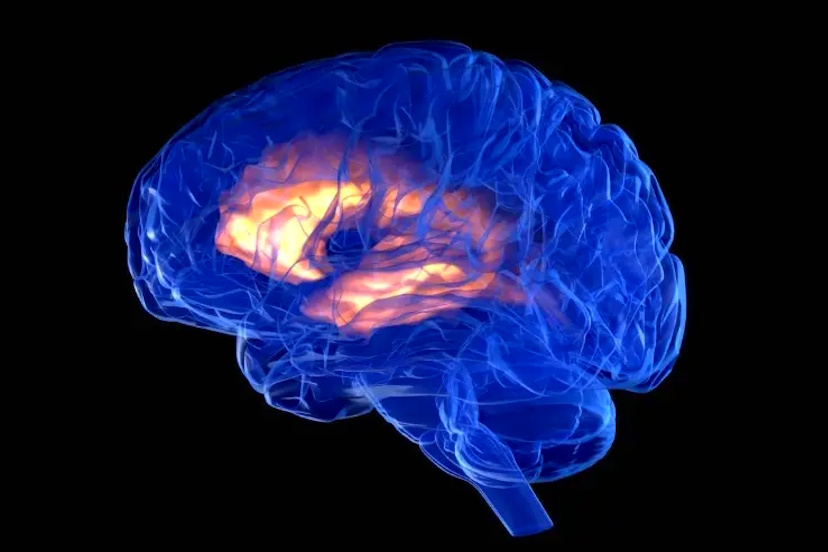
BrainCo, a neurotechnology company based in Hangzhou, China, is developing smart prosthetic devices designed to help people with disabilities perform everyday tasks and gain greater independence, according to The Economist.
At a company exhibition, a person with a hand amputation demonstrated an artificial arm by playing the piano. The user then removed the device, highlighting that it can be attached without surgery. In another demonstration, a person with a prosthetic leg walked and invited visitors to guess which limb was artificial. Such demonstrations are intended to showcase not only mechanical capability but also improvements in control, comfort, and natural appearance.
BrainCo’s prosthetic technology relies on non-invasive sensors that detect muscle and nerve signals from the user’s residual limb. Artificial intelligence algorithms interpret those signals and translate the user’s intended movements into commands for the prosthetic hand. The system aims to support tasks requiring greater precision than many conventional prosthetics can provide. By using machine learning, it may also adapt to an individual’s unique signal patterns over time. Because it does not require implanted electrodes, the approach may be easier to adopt and carries fewer surgical risks. However, non-invasive systems can face challenges in signal clarity and consistency compared with implanted devices.
The company is also exploring neurotechnology beyond artificial limbs. One device demonstrated at the exhibition delivers low-intensity electrical currents to the forehead; its developers suggest it may promote relaxation. While such possibilities are intriguing, the effectiveness of this kind of device should not be treated as established without adequate independent scientific evidence. Claims about brain-related benefits require careful testing, peer review, and replication.
These developments form part of the broader field of brain-computer interfaces, or BCIs. BCIs connect signals from the brain or nervous system to external devices. Researchers are investigating how the technology could help people with severe disabilities communicate, control computers, and operate assistive equipment. Some systems are invasive, requiring electrodes to be placed in or on the brain; others are non-invasive and rely on sensors placed on the body or scalp. Each approach involves trade-offs between signal quality, safety, convenience, and cost.
One of the best-known companies in the field is Neuralink, founded by Elon Musk in 2016. Neuralink is developing implantable BCIs intended to allow people with severe paralysis to control computers and other digital devices using neural signals. Unlike Neuralink’s implanted systems, BrainCo’s showcased prosthetic technology is designed to operate without brain surgery, using signals detected through sensors on the body. This distinction places BrainCo’s prosthetic work closer to advanced assistive technology than to fully implanted BCI systems, though the line between the two fields is blurring.
Despite their potential, BCIs and advanced prosthetics face significant challenges. These include affordability, long-term safety, reliability, clinical validation, and the protection of sensitive neural data. Many devices must undergo rigorous regulatory review before they can be marketed for medical use. Even then, questions remain about insurance coverage, user training, maintenance, battery life, durability, and whether patients can access the technology equitably.
There are also ethical concerns. Neural data can reveal information about a person’s intentions, emotions, or health, raising questions about privacy, security, and informed consent. Devices that claim to affect brain function must be evaluated especially carefully, so that hope does not outpace evidence. Companies, researchers, clinicians, and regulators will need to work together to ensure that innovation is safe, transparent, and patient-centered.
If validated, smart prosthetics and BCIs could transform rehabilitation and daily life for many people with disabilities. They might help users grasp objects, play instruments, walk more naturally, communicate, or control digital tools. Yet the field is still young, and cautious optimism is warranted. The most important measure of success will not be a dramatic demonstration alone, but whether these technologies prove safe, reliable, affordable, and genuinely useful over the long term.

Support Dawat Media Center
If there were ever a time to join us, it is now. Every contribution, however big or small, powers our journalism and sustains our future. Support the Dawat Media Center from as little as $/€10 – it only takes a minute. If you can, please consider supporting us with a regular amount each month. Thank you
DNB Bank AC # 0530 2294668
Account for international payments: NO15 0530 2294 668
Vipps: #557320

Comments are closed.