
Trump Defends Waiving Russia Sanctions, Accuses Zelenskyy of Prolonging War for Political Gain

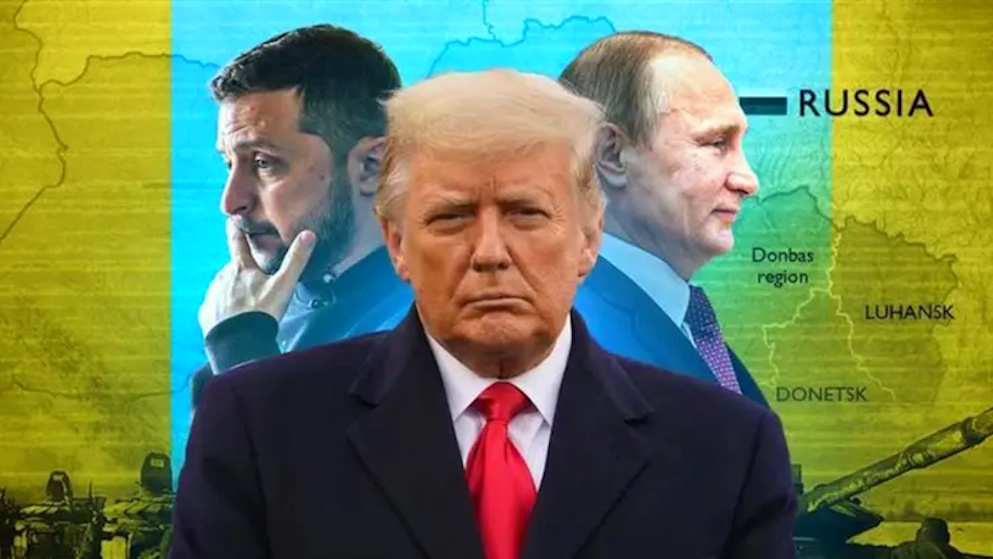
Washington, D.C. – U.S. President Donald Trump on Sunday mounted a fierce defense of his recent decision to waive a tranche of sanctions on Russia, while simultaneously launching a fresh series of accusations against Ukrainian President Volodymyr Zelenskyy, claiming Kyiv has no genuine desire to end the war.
In a series of posts on his Truth Social platform, Trump framed his controversial sanctions relief as a strategic necessity for his diplomatic efforts. “My decision on Russia is a very simple one. I am in the process of negotiating Peace in the war between Russia and Ukraine, and don’t want to do anything that will drive, foolishly, Russia away from the bargaining table,” Trump wrote. He asserted that “great progress is being made” in the talks, adding that “current hostage negotiations” were part of that positive momentum.
The president’s comments follow his signing of an executive order late Friday that waived broad new sanctions mandated by recently passed legislation. The bill, named for the late U.S. Senator Lindsey Graham a vocal advocate for Ukraine’s defense had been designed to tighten economic pressure on Moscow. Trump’s move to sidestep the congressional mandate has drawn sharp criticism from bipartisan lawmakers who argue it undermines a key lever of leverage against the Kremlin.
In a separate but related action, the administration also temporarily waived sanctions on Russian diesel, a decision that allows large quantities of the fuel to flow into global markets. The White House has positioned this move as a measure to lower fuel prices for American consumers ahead of the upcoming midterm elections. However, the decision was met with “shock” by officials in Kyiv and their Western allies, who view it as a significant concession to Russia’s energy sector.
The diesel waiver has reignited a simmering feud between Trump and Zelenskyy, causing their already volatile relationship to plummet once again. Trump has repeatedly expressed frustration with the Ukrainian leader, and on Sunday, he escalated his rhetoric, accusing Zelenskyy of deliberately targeting Russian oil refineries to manipulate global fuel markets and damage the Republican Party’s electoral prospects in the November 3rd elections.
“Zelenskyy is using Diesel Refineries in Russia as a target, knowing that these attacks are seriously hurting the world diesel markets, including those in the United States,” Trump stated. He argued that the Ukrainian strategy was a direct attack on his political party, citing polling that shows Republicans facing a difficult election cycle due to voter anger over soaring fuel costs prices that have spiked since the outbreak of the Iran war in late February.
The president went further, questioning Zelenskyy’s motives entirely. “Zelenskyy doesn’t care, and frankly, with all of the money that Europe is famously giving him, and that Crooked Joe Biden gave him in the past, he doesn’t want to end this war, and probably never did,” he added. The remark echoes a long-standing narrative from Trump that Ukraine benefits financially from the continuation of the conflict.
In his posts, Trump also linked his Russia policy to broader geopolitical goals, particularly regarding Iran. “Perhaps more importantly, Russia is doing very little, if anything, to help the Islamic Republic of Iran, compared to what they could be doing, and I want to keep it that way, and will, unless stupid people get in the way,” he wrote. This comment suggests the sanctions waiver is part of a wider effort to incentivize Moscow to limit its cooperation with Tehran.
When asked for clarification on the president’s statement about a “document” he could sign later a reference that remained unclear in his post the White House did not immediately respond to requests for comment from the Agence France-Presse (AFP).
The situation presents a complex political landscape for the White House. On one hand, the administration is attempting to position itself as a peacemaker in the Russia-Ukraine conflict while addressing domestic economic anxieties ahead of a critical election. On the other hand, the decision to ease sanctions on Russia despite congressional mandates and allied concerns risks alienating key international partners and domestic critics who argue it rewards Moscow’s aggression. The coming weeks are likely to see intensified scrutiny of the administration’s Russia policy and its impact on both the war in Ukraine and the upcoming U.S. elections.
Our Pashto-Dari Website

Support Dawat Media Center
If there were ever a time to join us, it is now. Every contribution, however big or small, powers our journalism and sustains our future. Support the Dawat Media Center from as little as $/€10 – it only takes a minute. If you can, please consider supporting us with a regular amount each month. Thank you
DNB Bank AC # 0530 2294668
Account for international payments: NO15 0530 2294 668
Vipps: #557320

Comments are closed.