
EU Provides €11 Million Aid to Strengthen Food Security and Climate Resilience in Afghanistan

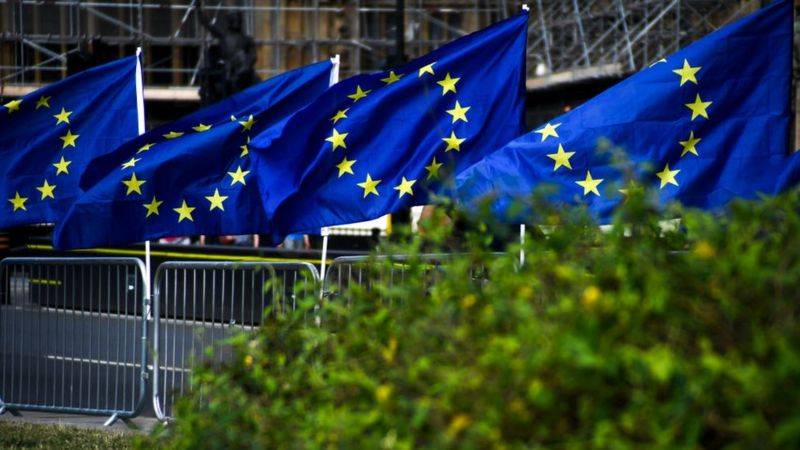
The European Union has announced a new €11 million funding package aimed at bolstering food security, enhancing livestock production, and building climate resilience among Afghanistan’s most vulnerable rural communities. The programme, unveiled by the EU delegation, is designed to address both immediate humanitarian needs and longer-term structural challenges facing the country’s agricultural sector.
Under the initiative, the EU will support rural livelihoods through a combination of interventions: improving livestock management practices, increasing local food production, and helping communities cope with the compounded pressures of economic hardship and environmental degradation. The programme is expected to directly benefit approximately 300,000 families across 17 provinces, with a particular focus on households in remote areas that depend heavily on livestock and small-scale farming for their daily survival and income.
According to EU officials, the project will prioritise strengthening local production capacity, reducing farming communities’ vulnerability to shocks, and promoting adaptive measures that enable households to withstand increasingly erratic climate conditions. Rather than offering short-term relief alone, the programme emphasises sustainable development helping communities build resilient agricultural systems that can endure future droughts, floods, and temperature extremes.
The funding arrives at a critical juncture for Afghanistan, which continues to grapple with one of the world’s most severe humanitarian and food security crises. The United Nations World Food Programme (WFP) has warned that approximately 14 million Afghans nearly one-third of the population are currently experiencing acute food insecurity. Meanwhile, chronic funding shortfalls have severely constrained the capacity of humanitarian agencies to scale up assistance, leaving many vulnerable groups without adequate support.
Child malnutrition has reached alarming levels in several provinces, with the WFP reporting that rising rates of severe acute malnutrition are putting an entire generation at risk. Poverty, food shortages, and disrupted access to basic health and nutrition services have compounded the dangers facing children and their families, particularly in rural and hard-to-reach areas.
Humanitarian organisations have repeatedly highlighted how climate change is exacerbating Afghanistan’s food crisis. The country has experienced a series of debilitating droughts over the past decade, alongside worsening water scarcity and more frequent extreme weather events from flash floods to unseasonal cold spells. These climatic shocks have devastated crop yields, decimated grazing lands, and undermined the fragile livelihoods of pastoral and farming communities. The livestock sector, in particular, has suffered heavily: many Afghan families rely on animals not only for food milk, meat, and eggs but also as a critical financial buffer against hard times. However, shrinking pastureland, dwindling water sources, and skyrocketing feed costs have made livestock rearing increasingly unviable, pushing countless households deeper into poverty.
The EU’s new programme seeks to reverse these trends by offering a durable pathway out of dependency on emergency aid. Its approach combines technical training, infrastructure support, and community-led planning to help farmers and herders adopt climate-smart practices such as improved water management, drought-resistant fodder crops, and better animal health care. By reinforcing local capacities and diversifying income sources, the initiative aims to reduce the need for repeated humanitarian interventions while fostering greater self-reliance.
Afghanistan remains one of the largest and most complex humanitarian emergencies globally. Despite the immense scale of need, international funding has lagged, prompting repeated warnings from aid agencies that reduced financial support could push millions more into crisis. The EU’s latest contribution forms part of a broader international effort to balance immediate life-saving assistance with long-term investments in food production, rural development, and climate adaptation.
Through this programme, the EU reiterates its commitment to standing with Afghan communities in their struggle against hunger, economic marginalisation, and environmental uncertainty. The ultimate goal, as EU officials have stressed, is not just to deliver aid, but to empower families to protect their livelihoods, strengthen their agricultural resilience, and better withstand the climate-related shocks that are becoming an ever-more frequent feature of life in Afghanistan.
Our Pashto-Dari Website

Support Dawat Media Center
If there were ever a time to join us, it is now. Every contribution, however big or small, powers our journalism and sustains our future. Support the Dawat Media Center from as little as $/€10 – it only takes a minute. If you can, please consider supporting us with a regular amount each month. Thank you
DNB Bank AC # 0530 2294668
Account for international payments: NO15 0530 2294 668
Vipps: #557320

Comments are closed.