
Nearly 90 Million Displaced People Face Growing Climate Threats, UN Warns

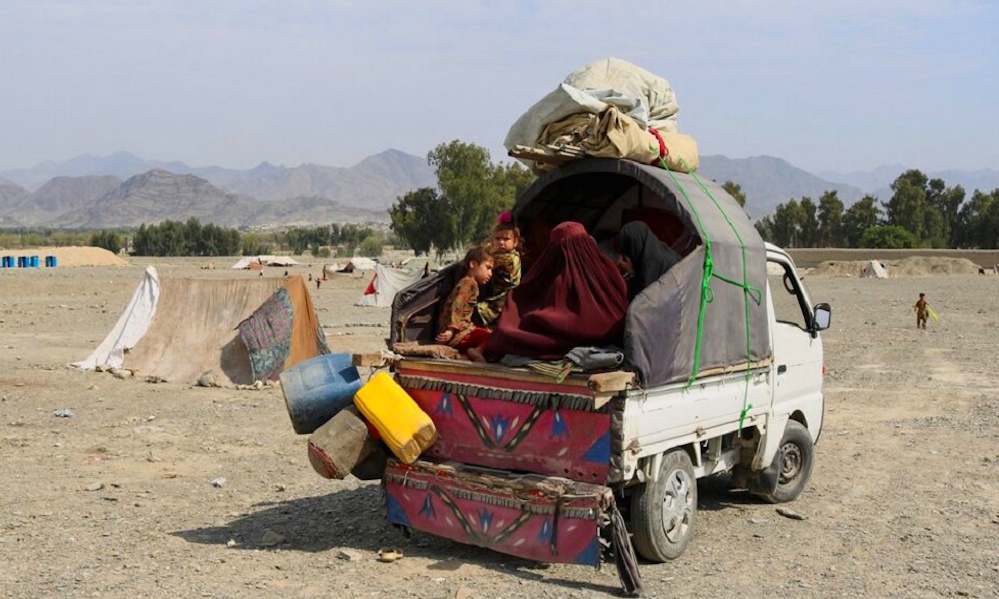
UNHCR calls for urgent climate financing as report reveals overlapping crises of conflict, displacement and climate change ahead of COP31 summit
Nearly 90 million forcibly displaced people worldwide are living in countries increasingly exposed to climate-related threats including droughts, floods and extreme heat the United Nations High Commissioner for Refugees (UNHCR) warned in a report released Friday, November 6, 2026. The findings reveal a stark overlap between conflict, displacement and climate change, with almost three-quarters of the global displaced population living in countries such as Afghanistan and Bangladesh that face severe climate risks.
The report, published ahead of the UN Climate Change Conference (COP31) in Antalya, Türkiye, calls for increased financial assistance to help vulnerable communities adapt to the effects of climate change. UNHCR emphasized that climate adaptation in fragile and displacement-affected areas is not merely a policy priority but “a matter of survival” for millions of people.
A Crisis of Overlapping Vulnerabilities
“Climate adaptation in fragile and displacement-affected areas is a matter of survival,” said Antón Leis García, UNHCR’s Assistant High Commissioner for Operations. “We need climate financing to reach the communities where the needs are greatest.”
The report highlights the compounded vulnerabilities faced by displaced populations. Unlike settled communities, refugees and internally displaced persons often lack access to cooling, water and reliable energy infrastructure, making it harder for them to escape dangerous temperatures and cope with extreme weather events. These communities frequently reside in temporary settlements or informal housing that offers limited protection against climate hazards.
The human toll of these overlapping crises is illustrated through individual stories. The report documents the experience of a Sudanese refugee who fled conflict in al-Fashir in June 2023 to the Farchana refugee settlement in eastern Chad. She described sometimes going a week without finding safe water, forcing her to walk increasingly long distances to alternative sources as nearby seasonal riverbeds dry up amid intensifying heat a daily reality for millions facing similar circumstances.
Returns at Risk: The Challenge of Sustainable Reintegration
Climate change is also complicating efforts to find durable solutions for displaced populations. According to the report, in the first half of 2026, more than two-thirds of refugee returns were to countries highly exposed to climate hazards, placing returning populations at risk of renewed displacement.
In Syria, where nearly four million displaced people have recently returned to their areas of origin, water scarcity and irregular rainfall have created additional hardships. Flooding along the Euphrates River in May 2026 damaged thousands of homes and displaced their residents, underscoring how climate shocks can quickly undo fragile progress toward reintegration and stability.
The report warns that without adequate support for climate adaptation in return areas, the international community risks perpetuating cycles of displacement, with people forced to flee their homes repeatedly as environmental conditions deteriorate.
Regional Hotspots and Future Projections
UNHCR’s analysis identifies several regions facing particularly severe climate risks that threaten displaced populations:
Sub-Saharan Africa: By 2050, one in three refugee settlements in the region could experience dangerous heat for at least 100 days each year, threatening health and livelihoods. In some settlements in Ethiopia, including Helaweyn, dangerous heat could persist for more than 200 days annually, significantly increasing risks of heatstroke and premature death.
East Africa: UNHCR estimates that severe flooding could displace up to three million people in Somalia, Kenya, South Sudan and Uganda by the end of 2026.
The Sahel: Drought, flooding and conflict are intensifying competition over scarce resources, exacerbating tensions and displacement.
Asia: Parts of the region face heightened risks of droughts, floods and cyclones, threatening both settled and displaced populations.
The report also warns that a forecast supersized El Niño could worsen climate-related risks in many refugee-hosting countries and trigger further displacement. The potential strengthening of this climate phenomenon could increase the frequency and intensity of floods and droughts, forcing more people to flee their homes.
A Critical Funding Gap
Despite the growing needs, UNHCR’s report reveals a significant funding shortfall. Only about 10 percent of international climate finance currently reaches countries affected by conflict and instability precisely the countries hosting the vast majority of the world’s displaced population.
UNHCR called on governments and climate-finance institutions meeting at COP31 to increase funding for climate adaptation in fragile and displacement-affected contexts. The agency emphasized that current financing mechanisms are not effectively reaching the communities most in need.
The funding gap extends beyond climate adaptation. A separate UN report released on Wednesday found that rich countries were falling well short of the $305 billion needed each year to help developing nations adapt to climate change, even as extreme weather events become more frequent and severe.
The Path Forward: COP31 and Beyond
The report’s release ahead of COP31 in Antalya underscores the urgency of addressing the intersection of climate change, conflict and displacement. UNHCR is calling for:
-
Increased climate financing to fragile and conflict-affected countries, with simplified access procedures to ensure funds reach frontline communities
-
Integration of displacement considerations into climate adaptation planning and finance
-
Enhanced support for sustainable returns that account for climate risks in areas of origin
-
Investment in climate-resilient infrastructure in refugee settlements and host communities
-
Strengthened international cooperation to address the root causes of both conflict and climate vulnerability
The report emphasizes that displacement is not solely a humanitarian issue but is increasingly a climate issue. As extreme weather events become more frequent and severe, the international community must recognize that addressing climate change and supporting displaced populations are inextricably linked challenges.
“Climate change is putting millions of displaced people at serious risk,” the report states, calling for “increased financial assistance to help them cope with its effects.” The coming decade will be decisive in determining whether the international community can mobilize the resources and political will necessary to protect the world’s most vulnerable populations from the escalating impacts of climate change.
Our Pashto-Dari Website

Support Dawat Media Center
If there were ever a time to join us, it is now. Every contribution, however big or small, powers our journalism and sustains our future. Support the Dawat Media Center from as little as $/€10 – it only takes a minute. If you can, please consider supporting us with a regular amount each month. Thank you
DNB Bank AC # 0530 2294668
Account for international payments: NO15 0530 2294 668
Vipps: #557320

Comments are closed.