
Pakistan-Afghanistan Trade Plummets 74% to $358 Million as Border Closures and Rising Tensions Strangle Cross-Border Commerce

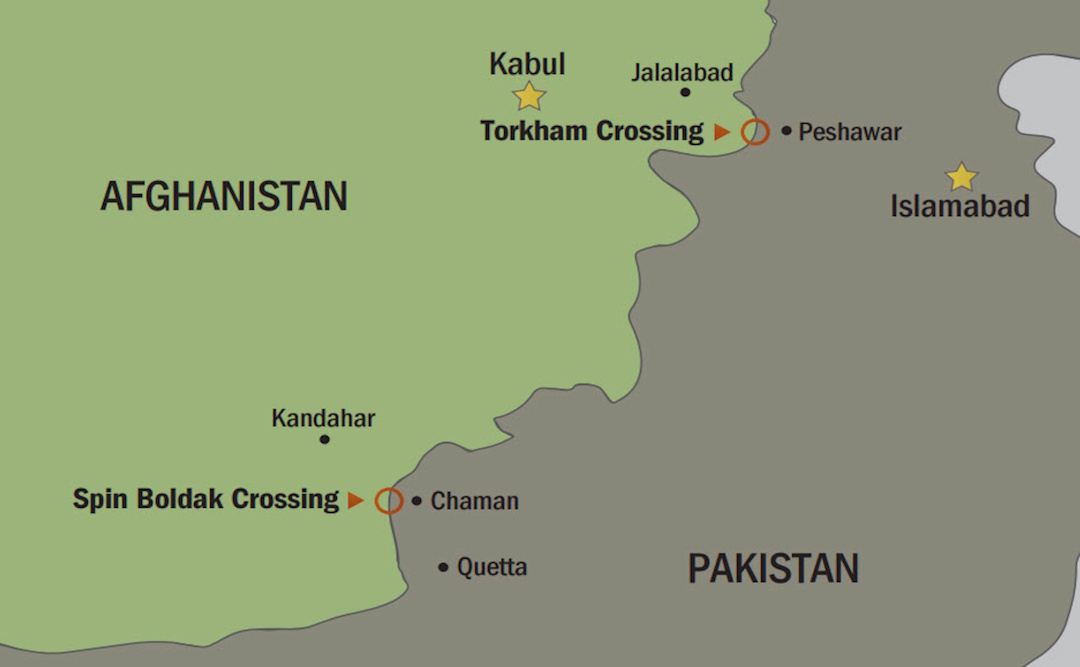
Trade between Pakistan and Afghanistan collapsed by 74 per cent in the 2025-26 financial year, falling to just $358 million from $1.3 billion the previous year, according to official Pakistani trade data reported by Dawn. The steep decline driven by prolonged border closures, deteriorating security conditions, and mounting political tensions between Islamabad and the Taliban authorities in Kabul has inflicted severe damage on manufacturers, transport operators, agricultural traders, and communities on both sides of the frontier that depend on cross-border commerce.
Border Crossings Shut After Deadly Clashes
The Torkham crossing, one of the busiest transit points between the two countries, was closed on October 12, 2025, following deadly clashes between Pakistani and Afghan forces. Other key crossings including Kharlachi, Ghulam Khan, and Angoor Adda in Khyber Pakhtunkhwa province, as well as Chaman in Balochistan have also remained shut to commercial traffic, according to the report. The closures have effectively severed the primary overland trade corridors linking the two neighbours, forcing traders to absorb losses or abandon routes altogether.
Transit Trade in Freefall
Afghanistan’s transit trade through Pakistan has similarly plummeted. The number of transit containers fell from nearly 89,000 valued at approximately $5 billion before the Taliban’s return to power in 2021 to just 11,592 containers worth $367 million in the 2025-26 financial year. Notably, the downward trend in transit trade predates the latest border closures, as Afghanistan has increasingly pursued alternative trade routes, particularly through Iran, reducing its reliance on Pakistani infrastructure.
Key Exports and Imports Disrupted
Pakistan’s exports to Afghanistan include pharmaceutical products, cement, plastics, rice, and fresh fruits and vegetables. In return, Pakistan imports onions, tomatoes, agricultural seeds, grapes, dried apricots, apples, coal, and unwrought lead from Afghanistan. The interruption of these flows has disrupted supply chains on both sides and deprived Pakistani exporters of a vital neighbouring market.
Transport and Pharmaceutical Sectors Hit Hard
The disruption has dealt a particularly heavy blow to Pakistan’s transport and pharmaceutical industries. Junaid Altaf, a former president of the Sarhad Chamber of Commerce and Industry, said businesses and workers in Khyber Pakhtunkhwa were facing growing economic difficulties. He also highlighted the province’s higher logistics costs, compounded by its distance from major seaports and international shipping routes a disadvantage that makes redirecting trade to alternative markets especially costly.
Pakistan’s pharmaceutical industry has lost access to a significant export market. According to Pakistan Bureau of Statistics figures cited by Dawn, the country exported about $130 million worth of pharmaceutical products to Afghanistan in 2023-24. The loss of that market could affect production, investment, and employment across the sector, with manufacturers warning of idle capacity and potential layoffs if the closure persists.
Agricultural Traders Report Mounting Losses
Agricultural traders have also reported substantial losses. Malik Sohni, president of the All Pakistan Agricultural Produce Traders Federation, said that before the disruption, up to 50 trucks carrying potatoes and 25 trucks carrying fresh vegetables used to travel from Pakistan to Afghanistan daily. Sohni said he had personally suffered losses of 180 million Pakistani rupees after hostilities disrupted trade and potato prices fell. He added that potato cultivation had declined by almost half, warning that reduced supply could push prices higher in the months ahead a concern that extends beyond exporters to domestic consumers.
Transporters Forced to Sell Vehicles
The transport sector has come under intense pressure. A transporter identified by Dawn as Azeemullah said he had been forced to sell three of his five trucks because the prolonged closure made it economically unviable to redirect them to other parts of Pakistan. The disruption has also affected Pakistani exports destined for Central Asian markets, which rely on Afghan transit routes to reach landlocked countries further north.
Business Leaders Divided on Path Forward
Pakistani business leaders remain divided over the economic consequences of the closure and the priority that should be given to reopening trade. Fuad Ishaq, a Peshawar-based businessman and former chamber president, argued that security concerns should take precedence and that Pakistani exporters could seek alternative markets. Other business representatives have called for a sustainable approach that protects security while allowing regulated trade to resume warning that prolonged closures risk permanently ceding market share to competitors and driving trade routes away from Pakistan for good.
Security Dispute Underlies Economic Rupture
The trade decline comes amid deteriorating relations between Islamabad and the Taliban authorities over security. Pakistan has demanded concrete, verifiable action against armed groups it says operate from Afghan territory and carry out attacks inside Pakistan. Taliban authorities have rejected allegations that Afghanistan’s territory is being used to launch attacks against neighbouring countries. With neither side showing signs of backing down, the economic cost of the standoff continues to mount and for traders, transporters, and farmers on both sides of the border, the prospects for a swift recovery appear increasingly remote.
Our Pashto-Dari Website

Support Dawat Media Center
If there were ever a time to join us, it is now. Every contribution, however big or small, powers our journalism and sustains our future. Support the Dawat Media Center from as little as $/€10 – it only takes a minute. If you can, please consider supporting us with a regular amount each month. Thank you
DNB Bank AC # 0530 2294668
Account for international payments: NO15 0530 2294 668
Vipps: #557320

Comments are closed.