
Afghanistan transit trade through Pakistan falls to historic low as Kabul shifts to alternative routes

Afghanistan’s transit trade through Pakistan has fallen to its lowest level in years, reflecting a significant shift in the country’s regional trade patterns, according to a report published by Pakistan’s Dawn newspaper.
The report states that the volume of Afghan transit cargo moving through Pakistan dropped dramatically from nearly 89,000 containers valued at approximately $5 billion before the Islamic Emirate’s return to power in August 2021 to just 11,592 containers worth $367 million during Pakistan’s most recent fiscal year.
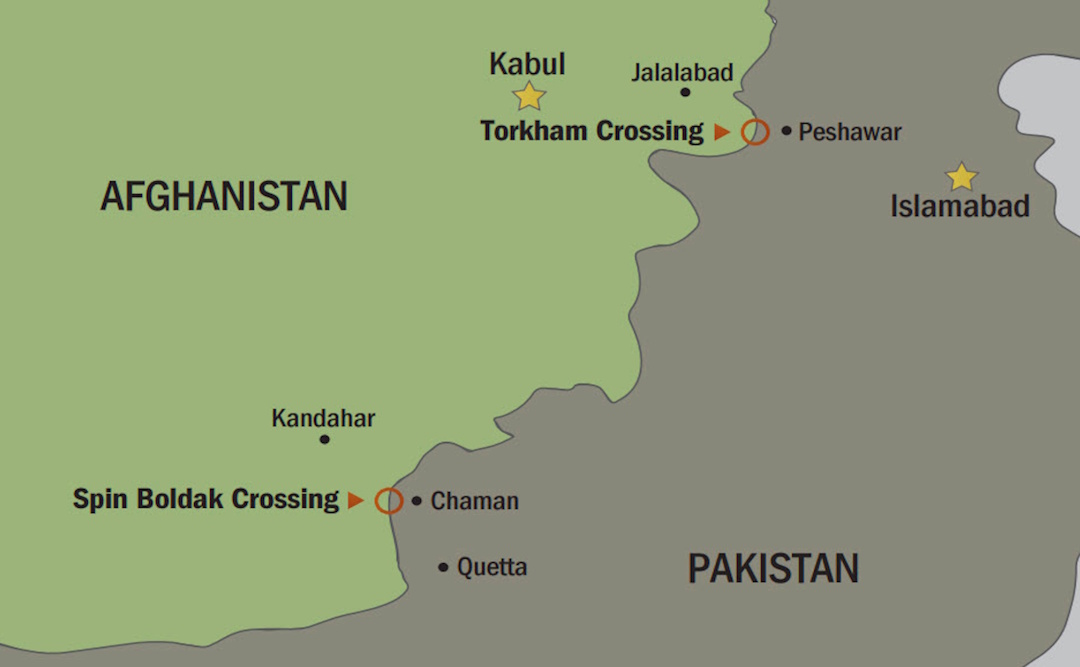
According to Dawn, the sharp decline accelerated after Pakistan closed key crossings along the Durand Line with Afghanistan in October 2025, citing growing security concerns. However, trade experts noted that the downward trend had begun well before the border closures, as Afghanistan pursued a broader strategy to diversify its trade routes and reduce dependence on Pakistani ports.
Analysts told the newspaper that Kabul has increasingly relied on Iran’s Chabahar and Bandar Abbas ports while also expanding commercial and transit links with Central Asian countries, including Uzbekistan and Turkmenistan. These alternative routes have become a key component of Afghanistan’s efforts to strengthen regional connectivity and lessen its vulnerability to disruptions along the Pakistan corridor.
Interestingly, transit trade through Pakistan initially increased following the Islamic Emirate’s return to power, reaching a peak of more than 102,000 containers during Pakistan’s fiscal year 2023. Since then, however, cargo volumes have declined steadily amid recurring border closures, tighter customs regulations, shifting trade policies, and Afghanistan’s growing use of alternative transit networks.
The report also highlights a dramatic collapse in reverse transit trade, which previously enabled Afghan exports to reach third-country markets—particularly India via Pakistan. According to Dawn, the value of reverse transit shipments plunged from $454 million in fiscal year 2025 to only $7 million in fiscal year 2026, effectively bringing the trade channel to a standstill.
Citing World Bank data, the newspaper said Iran has now emerged as Afghanistan’s largest source of imports. Iranian direct trade and transit routes account for nearly half of Afghanistan’s total imports, underscoring Tehran’s growing role as one of Kabul’s principal economic partners.
Despite the strategic benefits of diversifying trade routes, the World Bank cautioned that the transition has come at a significant economic cost. Redirecting imports through alternative corridors has increased transportation and logistics expenses, reduced export revenues, and contributed to inflationary pressures within Afghanistan.
The decline in trade across the Durand Line has also had wider economic consequences for communities on both sides of the border. Thousands of jobs linked to cross-border commerce including those in transportation, customs clearance, warehousing, logistics, and related services have been affected as cargo volumes through Pakistan continue to shrink.
The latest figures underscore a major transformation in Afghanistan’s trade landscape, with the country increasingly seeking alternative regional corridors while traditional transit routes through Pakistan lose their longstanding dominance.
Our Pashto-Dari Website

Support Dawat Media Center
If there were ever a time to join us, it is now. Every contribution, however big or small, powers our journalism and sustains our future. Support the Dawat Media Center from as little as $/€10 – it only takes a minute. If you can, please consider supporting us with a regular amount each month. Thank you
DNB Bank AC # 0530 2294668
Account for international payments: NO15 0530 2294 668
Vipps: #557320

Comments are closed.