
Meta Ordered to Pay $942 Million in New Mexico Child Safety Case, Judge Rules ‘Public Nuisance’

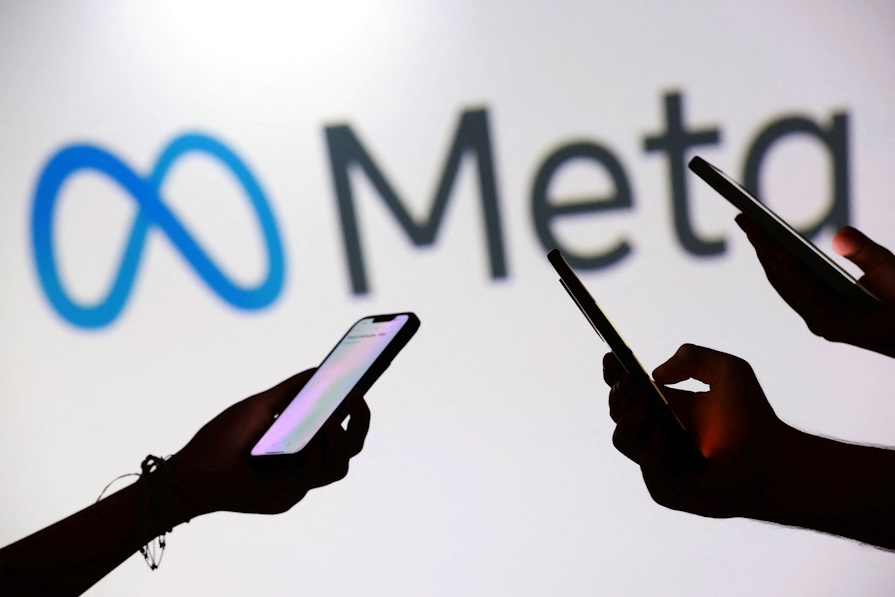
A New Mexico judge has ordered Meta to pay a combined $942 million in penalties and damages, ruling that the tech giant created a “public nuisance” by designing Facebook and Instagram in ways that knowingly harmed children’s mental health. The decision, handed down on Thursday in Santa Fe, represents one of the most significant legal setbacks to date for the parent company of Facebook, Instagram, and WhatsApp.
The ruling by Judge Bryan Biedscheid imposes a new $567 million (€492 million) civil penalty to be paid out over five years on top of a $375 million jury verdict from March. The earlier judgment found Meta guilty of violating New Mexico’s Unfair Practices Act by misleading the public about the safety of its platforms for younger users. Combined, the two amounts bring the company’s total liability in the state to nearly $1 billion.
Funds Directed Toward Youth Mental Health and Prevention
Roughly three-quarters of the newly awarded $567 million approximately $425 million will be earmarked for mental health treatment programs for children and adolescents affected by social media-related harm. The remaining funds will finance prevention initiatives, early screening for at-risk youth, and ancillary support services across the state.
Beyond the financial penalties, Judge Biedscheid mandated a series of sweeping operational changes to Meta’s platforms for New Mexico users under 18. These include:
-
Monthly time limits on teen usage of Facebook and Instagram.
-
Stricter notification controls to reduce compulsive engagement.
-
Enhanced safeguards on adult-to-minor contact, including tighter restrictions on direct messaging and follower requests.
-
Oversight of AI-powered chatbots, requiring Meta to monitor and log interactions that could pose risks to young users.
-
Improved handling and escalation of reports related to child sexual abuse material (CSAM).
The court further ordered Meta to collaborate with New Mexico schools to develop a reporting mechanism for flagging underage users particularly those under 13, who are prohibited from using the platforms under federal law. Because U.S. privacy regulations prevent Meta from collecting personal data such as government-issued IDs to verify ages, the judge instructed the company to continue refining its AI-based age-estimation tools as a workaround, while also mandating the deletion of any existing data it holds on children under 13.
Attorney General Hails ‘Victory for Every Parent’
New Mexico Attorney General Raul Torrez, who first sued Meta in 2023, hailed the ruling as a watershed moment in the fight against Big Tech’s influence on adolescent well-being.
“Today’s decision is a victory for every parent who has worried about what social media is doing to their child and for every child who deserves to grow up safer online,” Torrez said in a statement. “This court has made it clear that design choices that prioritize engagement over safety have consequences.”
Meta Vows to Appeal, Dismisses Verdict as Misrepresentation
Meta has already signaled its intent to appeal the latest ruling, pushing back against the court’s characterization of its practices.
“We work hard to keep people safe on our platforms and have been transparent about the challenges of identifying and removing bad actors and harmful content,” a company spokesperson said. “We remain confident in our record of protecting teens online and will continue to defend ourselves against claims that misrepresent the facts.”
While the $942 million total is a substantial sum, it represents only a tiny fraction of Meta’s annual revenue, which exceeded $60 billion in net profit last year. Investors appeared largely unfazed by the news; Meta’s shares dipped less than half a percent in after-hours trading following the announcement.
A Broader Legal and Regulatory Tsunami
The New Mexico ruling is far from an isolated incident. Meta remains embroiled in a cascade of related lawsuits across the United States. Later this month, a high-profile trial is set to begin in Oakland, California, involving a coalition of 29 states that have jointly sued the company over similar allegations of youth harm. Separate suits are already underway or have been filed in several other states, each seeking damages and injunctive relief.
Internationally, the pressure on social media giants continues to mount. In December, Australia became the first nation to enact a blanket ban on social media access for children under 16, citing mounting evidence of mental health deterioration, cyberbullying, and declining physical activity linked to excessive screen time. Other countries including Britain, Canada, Indonesia, Malaysia, Turkey, and a number of European Union member states have also introduced or are actively debating restrictive measures on teen social media usage, ranging from age-verification mandates to curfews and parental consent requirements.
As the legal, legislative, and public health battles intensify, the New Mexico decision may well serve as a bellwether for how courts and lawmakers worldwide are recalibrating the balance between digital innovation and the protection of minors.
Our Pashto-Dari Website

Support Dawat Media Center
If there were ever a time to join us, it is now. Every contribution, however big or small, powers our journalism and sustains our future. Support the Dawat Media Center from as little as $/€10 – it only takes a minute. If you can, please consider supporting us with a regular amount each month. Thank you
DNB Bank AC # 0530 2294668
Account for international payments: NO15 0530 2294 668
Vipps: #557320

Comments are closed.