
UN Warns Deepening Hunger in Afghanistan Forcing Families to Sell Girls Into Marriage

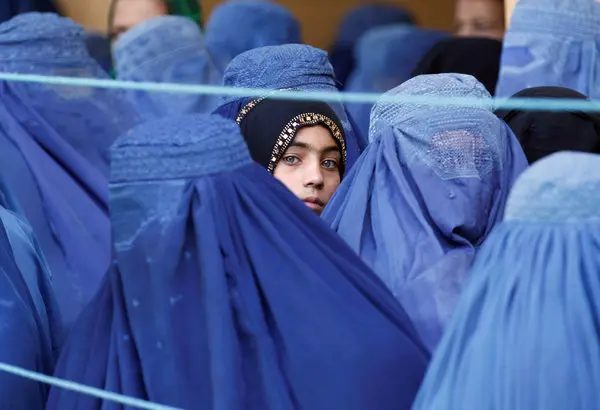
KABUL – The United Nations issued a stark warning on Wednesday, stating that catastrophic levels of hunger in Afghanistan are compelling families to adopt desperate and harmful coping mechanisms, including the sale of young daughters into early marriage to secure food. This crisis, driven by a near-total economic collapse, widespread unemployment, and drastic cuts in international aid, is disproportionately impacting women and girls.
In a dire assessment, John Ayliff, the World Food Programme’s (WFP) Country Director for Afghanistan, stated that the international community’s attention has largely drifted from the country’s deepening humanitarian emergency. “We are witnessing a silent tsunami of hunger,” Ayliff said. “Families are being crushed under the weight of simultaneous crises, and their last resort is often the most heartbreaking—selling their futures, which are their daughters.”
UN data paints a picture of a nation in freefall. Approximately 75% of the population is unemployed, while over 90% lives below the poverty line. A recent UN report highlighted that the Taliban’s restrictions on girls’ secondary education and women’s employment have stripped countless households of vital income, exacerbating food insecurity.
The nutritional outlook is particularly alarming. UN estimates project that five million women and children will suffer from acute malnutrition over the next year, with nearly four million children under five requiring urgent, lifesaving treatment. “Malnutrition is not just about hunger; it stunts cognitive and physical development, creating a lost generation,” Ayliff emphasized.
Funding cuts have precipitated a collapse in essential services. Numerous nutrition clinics across the country have been forced to close. “When a child with severe acute malnutrition cannot access a treatment center, that child will die. It’s that simple and that brutal,” Ayliff warned. The International Rescue Committee (IRC) corroborated this, noting that reductions in U.S. and international funding have slashed humanitarian operational capacity in Afghanistan by nearly two-thirds.
The desperate practice of selling girls into marriage, previously reported in western provinces like Herat during periods of severe drought, is now becoming more widespread as a survival strategy. Aid workers report that families are receiving minimal dowries—often just enough to feed the rest of the household for a few months.
Furthermore, WFP staff are reporting a surge in children being withdrawn from school and sent to work, often in hazardous conditions. “It is shocking to look a parent in the eye and tell them we no longer have the funds to provide food aid, and then to see the consequences unfold,” Ayliff stated.
UN officials are urging immediate and sustained international funding, coupled with diplomatic efforts to address structural economic barriers. They warn that without urgent intervention, Afghanistan’s hunger crisis will not only claim lives but will also inflict irreversible social damage, entrenching gender inequality, perpetuating cycles of poverty, and normalizing the trafficking of children. The cost, they stress, is being paid almost exclusively by Afghan women and girls.
Our Pashto-Dari Website


Support Dawat Media Center
If there were ever a time to join us, it is now. Every contribution, however big or small, powers our journalism and sustains our future. Support the Dawat Media Center from as little as $/€10 – it only takes a minute. If you can, please consider supporting us with a regular amount each month. Thank you
DNB Bank AC # 0530 2294668
Account for international payments: NO15 0530 2294 668
Vipps: #557320

Comments are closed.