

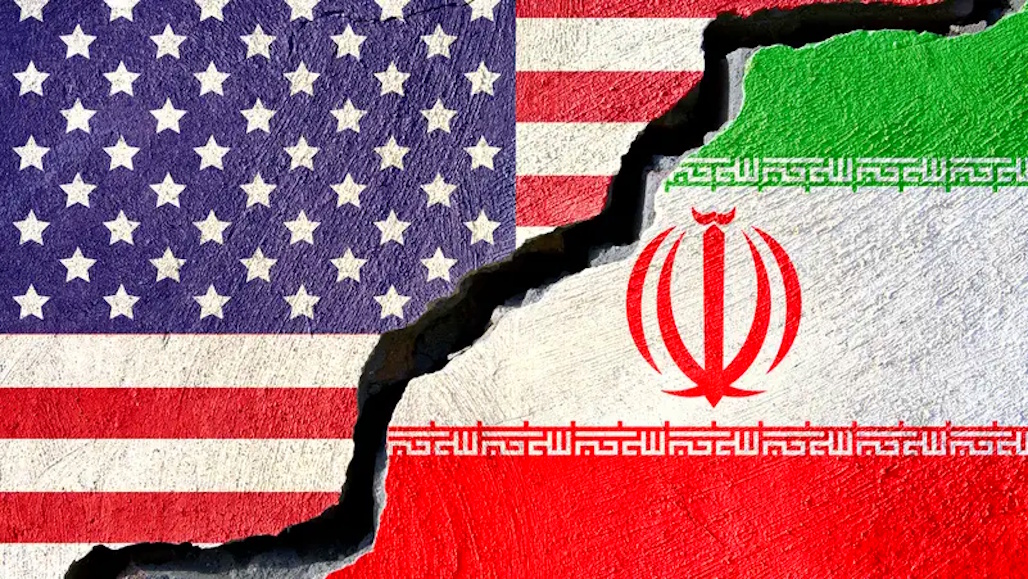
TEHRAN — Iran declared on Tuesday that the United States has lost its ability to “dictate” policy to other sovereign nations, as Washington weighs a new Iranian proposal aimed at reopening the strategic Strait of Hormuz.
The strait, a vital chokepoint for roughly 20% of the world’s oil supply, has been effectively sealed off by Tehran since the early stages of its direct military conflict with the United States and Israel. The blockade has sent shockwaves through global energy markets, contributed to price volatility, and placed the waterway at the center of fragile negotiations to end the broader war.
“The United States is no longer in a position to dictate its policy to independent nations,” said Reza Talaei-Nik, a spokesman for Iran’s Ministry of Defense, in remarks carried by state television. He added that Washington would eventually be forced to “accept that it must abandon its illegal and irrational demands” if a lasting resolution is to be achieved.
While a tentative ceasefire has halted active fighting between Iran, the US, and Israel, talks aimed at reaching a permanent conclusion to the conflict have so far proven inconclusive. Key sticking points include the future of Iran’s ballistic missile program, its regional military influence, and the full reopening of critical maritime routes.
According to sources familiar with the discussions, the new Iranian proposal under review in Washington would involve a phased reopening of the Strait of Hormuz in exchange for specific, though unspecified, sanctions relief. The strait’s reopening is seen as a prerequisite for broader negotiations on the war’s endgame, given its importance to global energy security and the economies of US allies in the Gulf.
Talaei-Nik made the remarks ahead of a defense ministers’ meeting of the Shanghai Cooperation Organization (SCO), a Eurasian political, economic, and security alliance widely viewed as a counterbalance to Western-led institutions. In a further sign of Iran’s shifting posture, the spokesman announced that Tehran is “ready to share its defensive military capabilities with independent countries, especially the member states” of the SCO.
Analysts note that Iran’s rhetoric reflects both a tactical posture in ongoing negotiations and a longer-term strategic realignment toward multilateral forums like the SCO and BRICS, where Tehran seeks to reduce US influence over global security architecture. The question remains whether Washington will treat Iran’s offer as a genuine opening or a calculated move to fracture the US alliance network.
Our Pashto-Dari Website

Support Dawat Media Center
If there were ever a time to join us, it is now. Every contribution, however big or small, powers our journalism and sustains our future. Support the Dawat Media Center from as little as $/€10 – it only takes a minute. If you can, please consider supporting us with a regular amount each month. Thank you
DNB Bank AC # 0530 2294668
Account for international payments: NO15 0530 2294 668
Vipps: #557320

Comments are closed.