
Catastrophic Flash Floods Ravage Afghanistan’s Nuristan; Dozens of Homes Lost and Three Children Swept Away

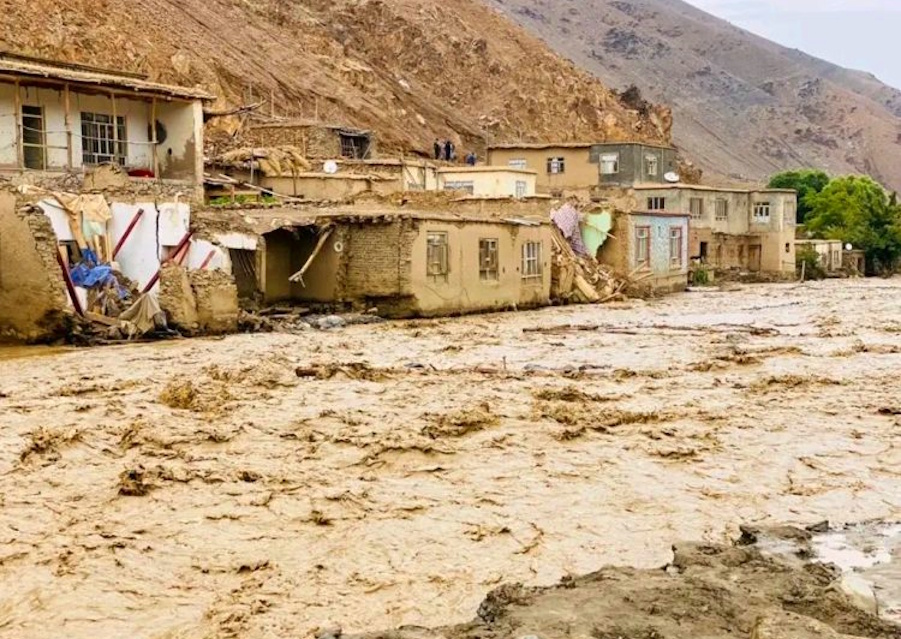
Unrelenting torrents of water have carved a path of devastation through Afghanistan’s remote eastern province of Nuristan, destroying scores of homes, inundating vital farmland, and leaving three young children missing, local authorities confirmed on Tuesday. The latest disaster compounds an already dire humanitarian crisis in a country increasingly battered by the relentless impacts of climate change.
The flash floods struck the mountainous Barg-e-Matal district on Monday afternoon, unleashing a wall of water and debris that tore through isolated villages perched along steep valleys. These remote communities, already marginalized by years of conflict and underdevelopment, are now grappling with a crisis with little to no access to emergency services or humanitarian lifelines.
According to a spokesperson for the provincial administration, preliminary assessments indicate that at least 87 homes have either been completely obliterated or severely damaged. Vast swaths of agricultural land the lifeblood of the region’s subsistence farmers have been washed away, leaving behind only rocks and silt. While authorities have launched search-and-rescue operations for the three missing children, they have confirmed no additional fatalities or injuries from this latest surge of water. However, officials fear that the true scale of the tragedy may take days to emerge.
Assessment teams have been dispatched to gauge the full extent of the catastrophe, but their progress is agonizingly slow. The region’s rugged, unforgiving terrain, coupled with access routes that have been either blocked by landslides or entirely swept away, is severely hampering both rescue missions and damage evaluations in the most inaccessible villages.
This calamity follows on the heels of another deadly wave of flooding in Nuristan just days earlier, which claimed at least 24 lives and left 85 others injured. That prior event had already stretched the province’s fragile emergency response systems to their breaking point. The successive disasters underscore a grim new reality: Nuristan is becoming a front-line state in the climate emergency, with extreme weather events arriving with alarming frequency and ferocity.
For the province’s residents most of whom depend on meager harvests from small plots and livestock grazing the destruction is an existential blow. The obliteration of irrigation channels and terraced fields will inevitably deepen food insecurity in a region where malnutrition is already chronic and access to basic services like healthcare and clean water is acutely limited. As of now, authorities have not unveiled any concrete plans for emergency relief, leaving desperate families to fend for themselves among the ruins.
Humanitarian organizations have long warned that delivering aid to Nuristan is a logistical nightmare. The province’s labyrinth of narrow mountain paths, many of which are only passable on foot or by mule, becomes virtually inaccessible during severe weather. Seasonal snowmelt and relentless rains frequently trigger secondary landslides, cutting off entire villages from the outside world for weeks at a time.
Nuristan is historically one of Afghanistan’s most disaster-prone provinces, frequently enduring flash floods, catastrophic landslides, and brutal winter blizzards. Yet the current crisis is not an isolated phenomenon; it is a symptom of a national emergency. Across Afghanistan, rising global temperatures have disrupted traditional weather patterns, producing irregular rainfall, prolonged and devastating droughts, and increasingly violent seasonal floods. Environmental degradation, including deforestation and poor land management, has only amplified these hazards.
The United Nations has consistently ranked Afghanistan among the nations most vulnerable to the effects of climate change, despite the country contributing less than 1% of global greenhouse gas emissions. However, decades of relentless conflict, crumbling infrastructure, and a steep decline in international humanitarian funding have crippled the nation’s ability to adapt. Early-warning systems remain rudimentary or non-existent, and disaster preparedness is woefully underfunded.
In the wake of these back-to-back tragedies, aid agencies are renewing their urgent calls for a paradigm shift. They are advocating for robust investment in climate-resilient infrastructure, community-based early-warning networks, and comprehensive disaster management training for local responders. More critically, they stress that sustained, flexible international support is not just an act of charity but a moral imperative to help Afghanistan’s most vulnerable populations not only recover from today’s disasters but build the resilience needed to survive tomorrow’s inevitable storms.
Our Pashto-Dari Website

Support Dawat Media Center
If there were ever a time to join us, it is now. Every contribution, however big or small, powers our journalism and sustains our future. Support the Dawat Media Center from as little as $/€10 – it only takes a minute. If you can, please consider supporting us with a regular amount each month. Thank you
DNB Bank AC # 0530 2294668
Account for international payments: NO15 0530 2294 668
Vipps: #557320

Comments are closed.