

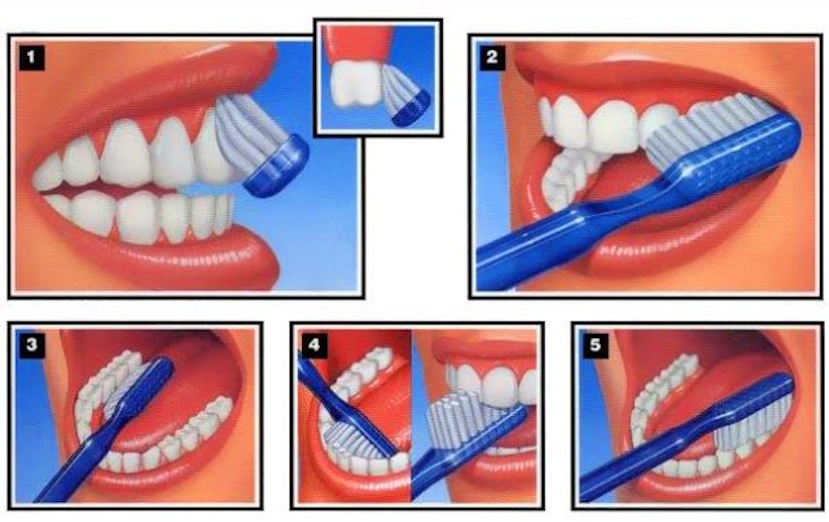
New research shows that a simple daily habit brushing one’s teeth may dramatically reduce the risk of hospital-acquired pneumonia.
A large-scale clinical trial presented at the European Society of Clinical Microbiology and Infectious Diseases (ESCMID) Global Congress 2026 in Munich has found that improving oral hygiene among hospitalized patients could lower the risk of developing pneumonia during their stay by as much as 60%.
A Serious and Common Threat
Hospital-acquired pneumonia (HAP) is a lung infection that develops at least 48 hours after admission. It is typically more severe than community-acquired pneumonia because patients’ immune systems are often compromised, and hospital pathogens tend to be more resistant and aggressive. The study focused specifically on non-ventilator-associated hospital-acquired pneumonia (NV-HAP) a form that affects patients who are not on mechanical ventilation, yet remains a leading cause of prolonged hospitalization and avoidable deaths.
How Oral Care Reduces Risk
According to lead author Professor Brett Mitchell of Avondale University in Australia, NV-HAP frequently occurs when bacteria-laden fluids from the mouth or throat enter the lungs. Patients who cannot clear oral secretions are particularly vulnerable.
“These infections are thought to arise largely from a patient’s own microbiota rather than person-to-person transmission,” Mitchell explained. “Improving oral hygiene helps reduce these pathogens in the mouth, potentially lowering the risk of subsequent infection.”
Real-World Results Across Australian Hospitals
The research team implemented a structured oral care program across multiple Australian hospitals, involving more than 8,000 patients. Every participant received a toothbrush, toothpaste, educational materials, and access to online resources. Hospital staff also received training and practical support to integrate better oral care into daily routines.
The results were striking:
-
The proportion of patients receiving regular oral care jumped from 15.9% to 61.5%.
-
Audits showed that oral care was performed an average of 1.5 times per day.
-
Most importantly, the incidence of NV-HAP fell from one case per 100 patient-days to just 0.41 a statistically significant reduction.
“The scale of improvement we were able to achieve is one of the most encouraging findings from this study,” said Professor Mitchell.
What This Means for Hospitals
Previous research has already shown that prolonged hospitalization leads to significant deterioration in patients’ dental health. However, this new study provides robust, real-world evidence from a hospital setting that targeted oral hygiene programs can directly reduce life-threatening infections.
The next challenge, Mitchell noted, is implementation: “We now need to better understand how structured programs can be effectively sustained across hospital wards.”
Given that the intervention is low-cost, low-risk, and easily scalable, experts suggest that daily toothbrushing could become as routine a part of hospital infection control as hand hygiene—saving lives one brush at a time.
Our Pashto-Dari Website

Support Dawat Media Center
If there were ever a time to join us, it is now. Every contribution, however big or small, powers our journalism and sustains our future. Support the Dawat Media Center from as little as $/€10 – it only takes a minute. If you can, please consider supporting us with a regular amount each month. Thank you
DNB Bank AC # 0530 2294668
Account for international payments: NO15 0530 2294 668
Vipps: #557320

Comments are closed.